

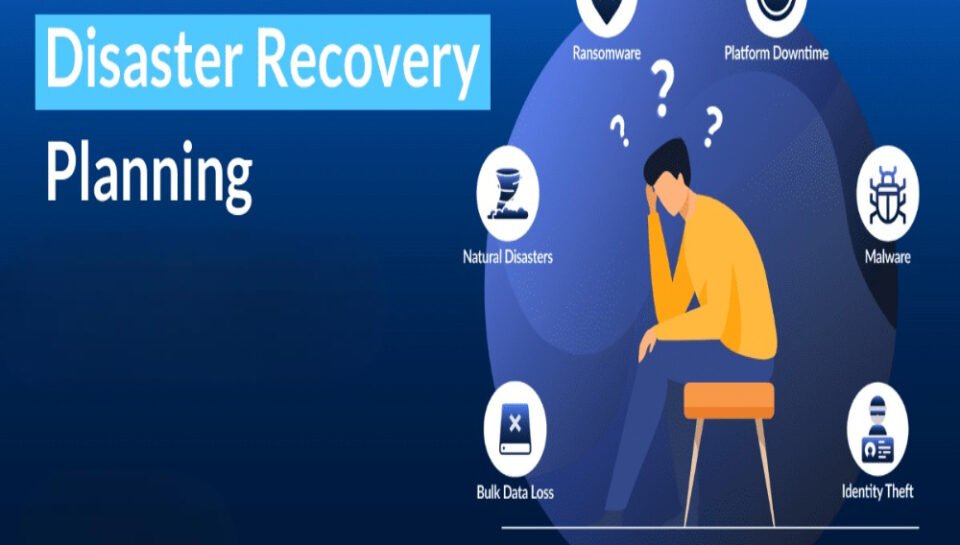
What disaster recovery plans are standard for app management in Indian IT environments?
Risk Assessment and Preparedness
- Threat identification processes evaluate potential system, network, and data risks.
- Business impact analyses are conducted to assess consequences of application failure.
- Recovery objectives are defined in terms of acceptable downtime and data loss.
- Dependencies between systems, applications, and teams are documented.
- Contingency procedures are established for different categories of disruptions.
Backup and Data Protection
- Regular data backups are scheduled across local and cloud storage systems.
- Redundant storage ensures availability during hardware or infrastructure failure.
- Encryption is applied to protect backup data from unauthorized access.
- Backup verification routines are implemented to confirm recoverability.
- Retention policies are defined based on compliance and operational needs.
Failover and Redundancy Mechanisms
- Secondary infrastructure is configured to take over in case of primary failure.
- Load balancers distribute traffic and shift demand during partial outages.
- Real-time data replication keeps critical applications continuously available.
- Geo-redundant deployments reduce risk from regional disasters.
- Automated failover systems minimize manual intervention during emergencies.
Response and Recovery Procedures
- Incident response teams are trained to manage recovery operations.
- Step-by-step recovery runbooks guide restoration of application functionality.
- Communication protocols are established to inform stakeholders during crises.
- Downtime tracking and logging support post-incident analysis and compliance.
- Recovery tests are conducted to validate speed and accuracy of restoration.
Monitoring and Continuous Improvement
- Disaster recovery plans are reviewed and updated on a scheduled basis.
- Real-time monitoring tools detect anomalies and system health deviations.
- Lessons learned from incidents are integrated into revised response plans.
- Compliance audits ensure alignment with national and industry standards.
- Training programs reinforce preparedness across technical and business teams.