
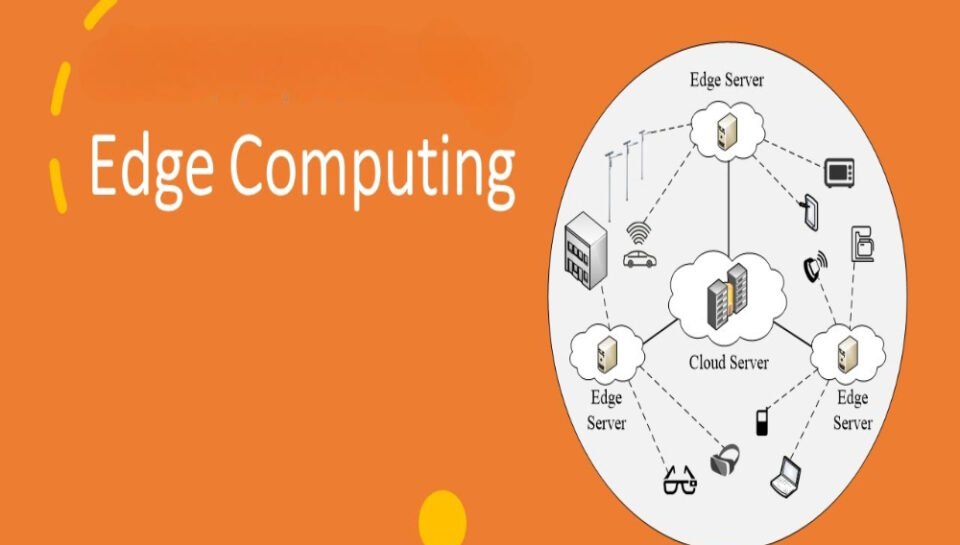
Introduce edge computing and how it complements cloud solutions for startups.
Introduction
As startups increasingly rely on digital platforms, connected devices, and real-time services, the demand for faster data processing and lower latency has grown substantially. While cloud computing provides scalable and centralized resources, it sometimes struggles to meet the speed and responsiveness required for time-sensitive applications. This is where edge computing enters the picture. Edge computing refers to the practice of processing data closer to the source—whether it’s a device, sensor, or user location—rather than routing it through distant cloud data centers. By complementing cloud solutions, edge computing offers startups a hybrid approach that enhances performance, reliability, and innovation across a range of services and industries.
Reducing Latency and Enhancing Speed
One of the most significant advantages of edge computing is its ability to reduce latency. For applications such as real-time analytics, video streaming, remote monitoring, or interactive user experiences, every millisecond counts. By processing data locally at the edge—on or near the device generating it—startups can achieve faster response times. This improves the user experience and enables more precise and timely actions, particularly in industries like healthcare, manufacturing, retail, or autonomous systems, where delays could impact outcomes or safety.
Optimizing Bandwidth and Cloud Efficiency
Transferring large volumes of data to the cloud for processing can strain network bandwidth and increase operational costs. Edge computing alleviates this issue by handling most of the data processing locally and sending only essential insights or summaries to the cloud. This selective data transmission conserves bandwidth, reduces cloud storage needs, and lowers data transfer expenses. For startups that depend on IoT devices or work in bandwidth-limited environments, this balance between edge and cloud computing results in more efficient and cost-effective operations.
Enabling Real-Time Decision Making
Startups developing solutions that require immediate feedback—such as smart home automation, wearable technology, or predictive maintenance systems—benefit greatly from edge computing’s ability to process data instantly. Edge nodes can analyze inputs, detect anomalies, and trigger actions without waiting for cloud-based computation. This not only accelerates decision-making but also enables startups to design applications that can function independently of network availability, ensuring greater continuity and reliability.
Enhancing Data Privacy and Compliance
Data privacy and regulatory compliance are pressing concerns, especially for startups working with sensitive information. Edge computing helps mitigate these challenges by allowing data to be processed locally, closer to the source, reducing the exposure of personal or confidential data to external networks. This is particularly advantageous in regions with strict data residency laws or for applications involving health, finance, or identity data. By minimizing the transmission of raw data to the cloud, startups can better align with privacy requirements while maintaining control over how data is managed and stored.
Supporting Cloud Integration and Scalability
While edge computing offers powerful benefits at the local level, it works best when integrated with cloud infrastructure. The cloud serves as the central hub for storing large datasets, managing long-term analytics, updating software, and orchestrating edge devices. Startups can develop lightweight edge components for real-time needs while relying on the cloud for strategic planning, predictive modeling, and centralized control. This hybrid architecture enables seamless scalability, allowing startups to expand their services without overhauling their systems.
Empowering Innovation in Emerging Technologies
Edge computing acts as a catalyst for innovation in fields such as artificial intelligence (AI), augmented reality (AR), autonomous vehicles, and smart environments. Startups in these sectors can deploy edge-enabled devices that process AI models, manage user interactions, or respond to environmental inputs with minimal latency. The proximity of edge devices to the user or machine makes these applications more responsive and immersive. As a result, edge computing expands the potential for startups to create cutting-edge solutions that were previously limited by cloud-only architectures.
Conclusion
Edge computing is a transformative technology that complements cloud solutions by enabling faster, more secure, and more efficient data processing at the point of need. For startups, this means the ability to build highly responsive applications, optimize operational costs, meet privacy regulations, and innovate across new technological frontiers. When combined with the scalability and robustness of cloud infrastructure, edge computing empowers startups to deliver smarter, more agile, and more competitive digital services in an increasingly connected world.
Hashtags
#EdgeComputing #CloudSolutions #Startups #TechInnovation #DigitalTransformation #IoT #DataProcessing #RealTimeAnalytics #BusinessGrowth #ScalableSolutions #TechStartups #FutureOfTech #DistributedComputing #SmartTechnology #CloudEdge #StartupSuccess #TechTrends #DataSecurity #AgileDevelopment #InnovationInTech