

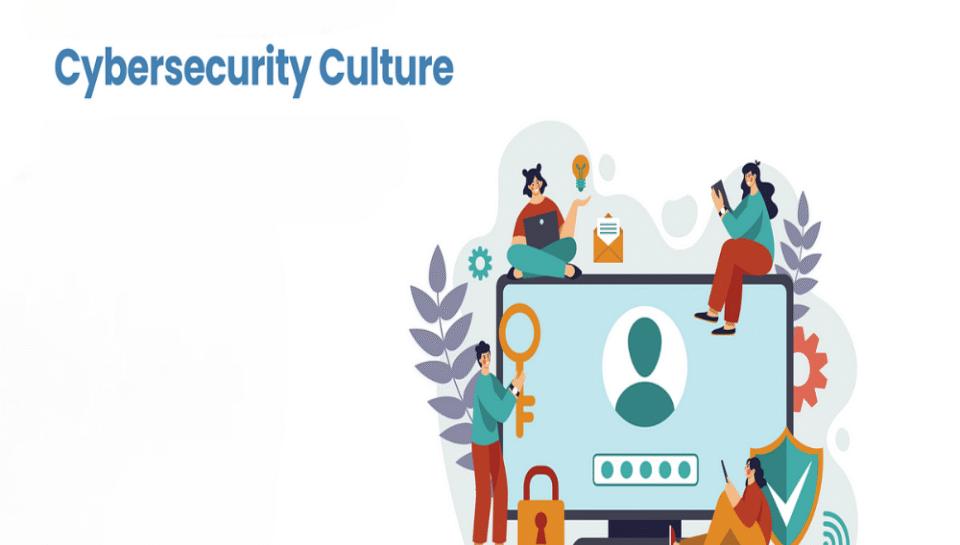
Establish a cybersecurity culture within startup teams.
Introduction
In a startup’s early days, the focus is often on building products, acquiring customers, and accelerating growth. Amid this high-speed environment, cybersecurity may seem like a secondary concern. Yet, the security of systems, data, and intellectual property hinges not just on tools or policies, but on the behavior and awareness of people. Creating a strong cybersecurity culture within startup teams is essential to ensuring long-term resilience. It means fostering an environment where security is not seen as a hurdle, but as a shared responsibility and integral part of daily operations.
Fostering Shared Accountability
Establishing a cybersecurity culture starts by embedding the mindset that every team member has a role in protecting the organization’s digital assets. From founders to interns, all employees should understand that their actions can either defend against or open doors to cyber threats. This involves making cybersecurity an ongoing dialogue rather than a one-time training. Regular discussions, updates, and visible leadership support help reinforce the idea that cybersecurity is part of the startup’s core values.
Onboarding and Continuous Training
Cybersecurity awareness begins at onboarding. New hires should be introduced to the company’s security policies, tools, and expectations from the moment they join. But education should not stop there. Continuous training is essential to keep up with evolving threats such as phishing, ransomware, and social engineering. Short, engaging sessions focused on real-world scenarios help team members recognize risks and make smarter decisions. Training should also adapt to different roles, offering tailored guidance to developers, marketers, and customer support staff.
Creating Clear Policies and Protocols
A culture of security requires clarity. Startups must develop concise and accessible policies that outline acceptable use of technology, data handling procedures, password requirements, and incident reporting channels. These documents should avoid jargon and be easy for all employees to understand and follow. When people know exactly what is expected of them—and why—they are more likely to adopt secure behaviors as second nature.
Promoting Open Communication
Cybersecurity incidents or suspicious activities must be reported quickly, but team members may hesitate if they fear blame or consequences. A strong cybersecurity culture encourages open, non-punitive communication. Employees should feel empowered to raise concerns, admit mistakes, or ask for guidance without judgment. This approach increases visibility into potential risks and allows the organization to respond proactively before issues escalate.
Encouraging Secure Development Practices
For tech-focused startups, secure coding and system design should be embedded into engineering practices. Developers must be trained to recognize security vulnerabilities, follow secure coding standards, and perform regular code reviews. Integrating security checks into the development lifecycle—such as automated vulnerability scanning or threat modeling—reinforces the idea that security is part of building, not just an afterthought.
Recognizing and Rewarding Good Practices
Positive reinforcement plays a powerful role in shaping culture. When employees follow best practices, flag phishing attempts, or proactively suggest security improvements, they should be acknowledged and encouraged. Recognition programs, gamified training, or internal shout-outs help build engagement and reinforce the value placed on secure behavior. When security becomes something people are proud to contribute to, the culture becomes self-sustaining.
Leading by Example
Cybersecurity culture must start at the top. Founders, executives, and team leads set the tone by modeling good security habits—using strong passwords, participating in training, and respecting data privacy. When leadership treats cybersecurity as a strategic priority rather than an operational burden, it sends a powerful message to the entire team. Consistent leadership support helps integrate security into business planning, product development, and customer engagement strategies.
Conclusion
Building a cybersecurity culture in a startup is not about fear or rigid control—it is about empowerment, education, and shared ownership. By treating cybersecurity as a team-wide responsibility and integrating it into daily workflows, startups can create a resilient foundation that protects against threats and supports sustainable growth. In a digital economy where trust and agility are paramount, a strong security culture becomes not just a shield, but a competitive advantage.
Hashtags
#CybersecurityCulture #StartupSecurity #TeamSafety #CyberAwareness #SecureStartups #DigitalDefense #CyberSmart #ProtectYourTeam #SecurityFirst #TechSafety #StartupSuccess #DataProtection #CyberResilience #RiskManagement #EmployeeTraining #SecurityMindset #InnovateSecurely #CyberHygiene #SafeStartup #TeamCybersecurity