
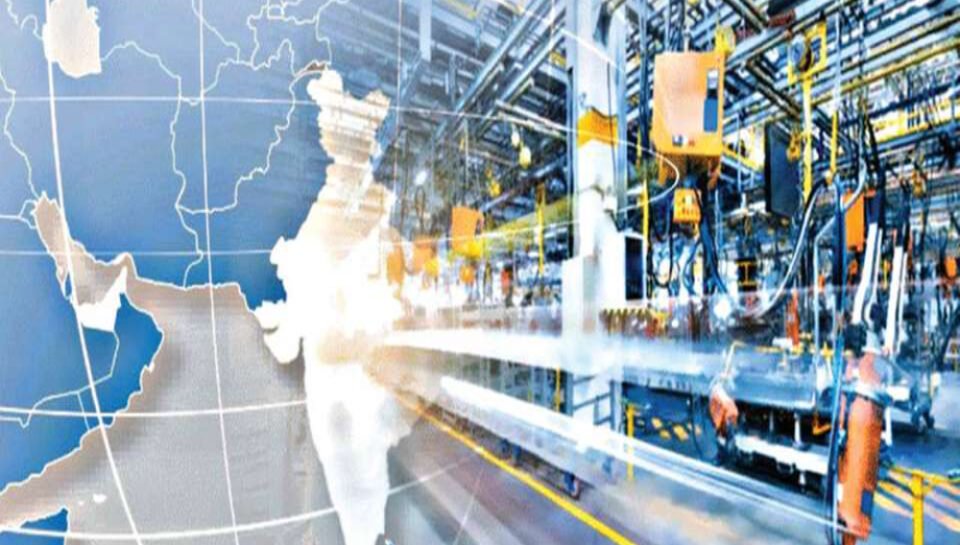
Showcase CRM-Driven Cross-Functional Collaboration in Indian Manufacturing
Introduction
The Indian manufacturing industry has undergone a rapid transformation over the past decade, fueled by digital adoption, competitive global markets, and the push toward Industry 4.0. In this context, Customer Relationship Management (CRM) systems are no longer just tools for sales and marketing—they have evolved into powerful platforms for fostering cross-functional collaboration across production, operations, procurement, R&D, and customer service. By integrating various departments under a unified digital interface, CRM-driven collaboration helps Indian manufacturers enhance efficiency, agility, and customer satisfaction. This article explores how CRM systems are enabling seamless collaboration across functions in India’s manufacturing sector and the impact of such digital synergy on business outcomes.
The evolving role of CRM in manufacturing
Traditionally, CRM platforms were considered the domain of sales teams, helping manage leads, contacts, and after-sales service. However, Indian manufacturers are now leveraging CRM to break down silos between departments and establish a unified communication ecosystem. Modern CRM tools integrate with ERP, supply chain management (SCM), and production planning systems, giving all teams a 360-degree view of customer requirements, order status, production timelines, and inventory levels. This integrated view empowers decision-makers to respond swiftly to market dynamics and internal challenges, making the CRM a nerve center for operational intelligence.
Facilitating better coordination between sales and production
One of the most impactful collaborations fostered by CRM systems is between sales and production departments. In many Indian manufacturing firms, disconnects between customer commitments and production capabilities lead to delays and dissatisfied clients. With CRM integration, sales teams can input customer preferences, delivery timelines, and custom specifications directly into the system. Production teams, in turn, receive real-time data on orders and customer expectations, enabling accurate scheduling and resource allocation. This proactive alignment reduces turnaround time and enhances customer trust.
Streamlining procurement through shared demand insights
Procurement teams often face challenges in anticipating raw material needs due to the fluctuating nature of demand. CRM platforms that track customer inquiries, confirmed orders, and forecasted demand give procurement managers a valuable lead time to initiate purchases. This synergy ensures material availability without overstocking, balancing cost and efficiency. In Indian manufacturing environments, especially in sectors like automotive and electronics where just-in-time inventory is critical, CRM data plays a crucial role in optimizing supplier relationships and inventory flow.
Enhancing customer service and support functions
Customer service is no longer confined to handling complaints after product delivery. In the age of social listening and proactive service, CRM systems empower support teams with historical customer data, warranty status, maintenance schedules, and product usage trends. Indian manufacturing companies using CRM systems can provide prompt, personalized service by collaborating with engineering, R&D, and field service teams. For example, if a customer reports a recurring technical issue, the support team can instantly route the case to R&D for analysis and resolution, ensuring a faster and more informed response.
Driving innovation through feedback loops to R&D
Indian manufacturers increasingly recognize the value of real-time customer feedback in product development. CRM platforms serve as repositories of customer complaints, suggestions, and feature requests. This information is invaluable to R&D teams seeking to improve existing offerings or develop new ones. By looping insights from sales and service directly into R&D, companies can shorten development cycles and ensure market alignment. Such collaboration fosters customer-centric innovation—a vital differentiator in both domestic and export markets.
Optimizing logistics and delivery through cross-functional visibility
Delivery delays and logistics mismanagement can erode even the best customer relationships. By connecting logistics teams with order data from CRM systems, Indian manufacturers can track shipment status, manage last-mile challenges, and communicate proactively with customers. CRM tools integrated with third-party logistics (3PL) platforms enable real-time status updates, geolocation tracking, and automated alerts. This synchronization reduces uncertainty, ensures accountability, and improves the overall delivery experience.
Data-driven performance tracking and accountability
A unified CRM system enables manufacturers to track team-level and individual performance across departments. By defining key performance indicators (KPIs) such as lead conversion, order fulfillment rate, service response time, and product defect recurrence, managers can generate actionable reports and dashboards. This visibility fosters accountability, motivates performance, and enables strategic decision-making. In an industry as dynamic as manufacturing, data-driven reviews help identify bottlenecks, replicate successes, and continuously refine processes.
Encouraging a culture of transparency and shared goals
CRM-driven collaboration is not just a technological initiative—it is a cultural shift. Indian manufacturers implementing collaborative CRM systems report better transparency, higher employee engagement, and stronger cross-functional trust. With shared dashboards, open communication channels, and cross-department task assignments, teams begin to operate with common goals rather than working in isolation. This shift is essential for modern manufacturing setups where agility, responsiveness, and customer orientation define competitive success.
Use cases from Indian manufacturing leaders
Companies like Tata Steel, Mahindra & Mahindra, and Bajaj Auto have already embraced CRM platforms to foster interdepartmental alignment. Tata Steel uses CRM to coordinate its sales, production planning, and logistics to ensure just-in-time delivery to clients. Mahindra utilizes CRM-integrated platforms for vehicle customization, allowing dealers to communicate customer preferences to the factory floor instantly. Bajaj Auto leverages CRM to connect after-sales feedback with product engineering, enabling quicker technical upgrades. These use cases showcase the transformative potential of CRM in enhancing both customer experience and internal efficiency.
Conclusion
The Indian manufacturing industry is embracing CRM-driven collaboration as a strategic imperative in the digital era. By integrating customer intelligence with internal operations, CRM systems break down functional silos and enable a synchronized workflow that enhances efficiency, agility, and customer satisfaction. Whether aligning sales with production, connecting support to R&D, or optimizing procurement and logistics, CRM platforms serve as the backbone for digital collaboration. As Indian manufacturers strive for global competitiveness and customer-centricity, cross-functional CRM adoption will be a cornerstone of sustainable growth and innovation.
Hashtags
#CRMManufacturing #IndianIndustry4.0 #CrossFunctionalCollaboration #SmartManufacturingIndia #CRMInnovation #SalesAndProduction #DigitalManufacturing #CustomerCentricity #SupplyChainSync #ManufacturingCRM #Industry40India #CustomerFeedbackLoop #CRMDrivenR&D #IntegratedCRMSystems #ManufacturingEfficiency #B2BCRMIndia #LogisticsOptimization #DigitalTransformationIndia #CollaborativeManufacturing #ProcurementAnalytics #ManufacturingLeadership #CRMUseCases #CRMForProductivity #IndianFactoriesDigital #CustomerFirstManufacturing