

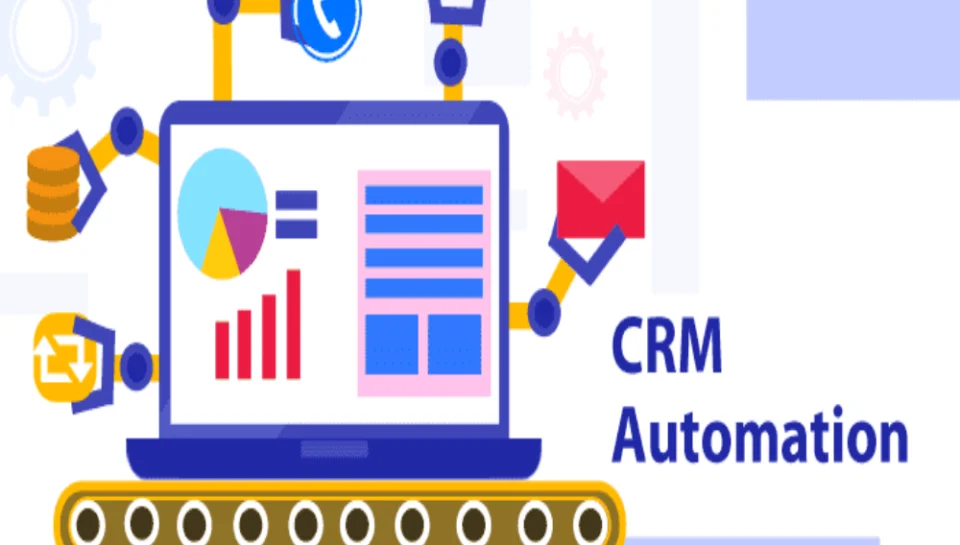
Explain the CRM Automation Features Supporting Campaign Management in India
Introduction
In India’s fast-moving digital economy, the ability to engage with customers at the right moment through the right channel can make or break a campaign. With a growing volume of consumer data and shrinking attention spans, manual marketing execution is not only inefficient—it’s ineffective. This is where CRM automation emerges as a game-changer, especially for campaign management. CRM automation features empower Indian businesses to streamline outreach, personalize experiences, and increase ROI through smart workflows and real-time engagement. From small retailers and startups to large financial institutions and telecom companies, organizations across India are increasingly relying on CRM-driven automation to enhance marketing performance. This article explores the key CRM automation features that support campaign management across the Indian business landscape.
Lead capture and segmentation automation
The first step of any successful campaign is audience targeting. CRM systems automatically capture leads from multiple channels—web forms, landing pages, chatbots, social media, call centers, and third-party integrations. Once in the system, automation rules can segment these leads based on criteria like location, gender, industry, purchase history, engagement behavior, or preferred language. For example, an Indian edtech platform can instantly segment leads as “working professionals in Mumbai interested in MBA” or “students in Jaipur interested in IELTS coaching,” allowing for highly targeted and relevant campaign execution.
Triggered communication based on customer behavior
CRM automation enables real-time responses to customer actions. Triggered campaigns are automatically launched when a user performs a specific activity—such as signing up, abandoning a cart, downloading a brochure, or clicking a promotional email. For example, an e-commerce platform can set up a CRM workflow that sends a discount coupon automatically if a customer adds items to the cart but doesn’t check out within 24 hours. These timely, behavior-based triggers increase engagement and conversion without manual effort.
Drip campaigns and lead nurturing workflows
In the Indian market, customer decisions often involve longer cycles, especially in industries like real estate, education, and finance. CRM systems support drip campaigns, where automated emails or SMS messages are sent over a period based on the lead’s progress through the funnel. For instance, a fintech firm offering personal loans can create a workflow that starts with eligibility information, follows up with interest rate comparisons, and then sends an application link—all spaced out intelligently to nurture interest. Drip marketing helps maintain brand recall and gradually pushes the customer toward conversion.
Multi-channel campaign scheduling and automation
Indian consumers are active across channels—email, WhatsApp, SMS, push notifications, voice calls, and in-app alerts. CRM automation allows businesses to plan, schedule, and coordinate messaging across these channels from a single interface. Campaign managers can set specific triggers for each medium—for instance, sending an SMS for time-sensitive offers, email for detailed content, and WhatsApp for follow-ups. This ensures consistency and wider reach. During peak seasons like Diwali or Republic Day sales, automation handles high-volume campaigns with precision and speed.
Personalized content delivery at scale
With automation, CRM systems can dynamically personalize content using merge fields and behavior data. Emails and messages can automatically include the recipient’s name, location, last purchased item, or suggested product—making communication feel more human and relevant. For example, a cosmetics brand can send a message like, “Hi Priya, your favorite lipstick shade is back in stock! Get it before it’s gone again!” Automated personalization significantly boosts engagement, especially in markets like India, where cultural and linguistic personalization matters.
Workflow automation between marketing and sales teams
One of the key benefits of CRM automation is interdepartmental coordination. In Indian businesses, where teams are often distributed across cities and states, automated workflows bridge gaps between marketing and sales. When a lead responds to a campaign, automation can instantly assign it to a specific sales rep based on region or product category. The rep is notified with a summary of the lead’s campaign history, preferences, and urgency. This ensures faster follow-up and improves the lead-to-conversion ratio.
Campaign performance tracking and optimization
Automation tools within CRM systems not only execute campaigns—they also track performance in real-time. Marketers can automatically receive reports on open rates, click-throughs, conversions, and ROI without manual compilation. If a campaign underperforms, the system can be programmed to pause it, switch content, or reallocate the budget toward a better-performing version. This real-time optimization is vital in India’s competitive industries like retail and food delivery, where marketing decisions often need to be made within hours.
AI-powered predictive automation
Some advanced CRM platforms like Salesforce Einstein, Zoho Zia, and Freshworks Freddy use artificial intelligence to predict customer behavior and automate next-best-action campaigns. Based on previous interactions, spending patterns, and engagement metrics, the system can suggest personalized offers or preferred time slots for communication. For example, an OTT platform can automatically recommend regional content to viewers who have shown interest in similar genres, thus increasing watch time and reducing churn.
Automated re-engagement and churn prevention
CRM automation helps businesses in India win back inactive users through smart re-engagement campaigns. If a customer hasn’t interacted for a set duration—say 30 or 60 days—the CRM can trigger a reactivation email, push notification, or loyalty offer. In sectors like telecom and subscription-based services, this proactive approach helps reduce churn rates. Messages like “We miss you! Enjoy 20% off your next recharge” are automatically scheduled to revive dormant users.
Data compliance and opt-in/opt-out automation
India’s evolving data privacy norms require businesses to collect, store, and use customer data responsibly. CRM automation helps maintain compliance by managing user consents, opt-ins, and opt-outs. For instance, if a customer unsubscribes from email communication, the system automatically halts all scheduled campaigns and updates their profile preferences. This not only ensures legal compliance with TRAI and data protection laws but also demonstrates brand integrity—critical for trust-building in sensitive sectors like healthcare and banking.
Conclusion
CRM automation has redefined the way Indian businesses manage campaigns, enabling faster execution, sharper targeting, deeper personalization, and greater accountability. From real-time triggers and multi-channel scheduling to AI-based personalization and compliance automation, the features embedded in modern CRM platforms provide a comprehensive toolkit for high-impact marketing. In a market as diverse, dynamic, and data-intensive as India, automation is no longer optional—it is essential for scaling campaigns, optimizing engagement, and sustaining competitive advantage. As more businesses across India embrace digital transformation, CRM automation will be at the heart of their customer engagement strategies.
Hashtags
#CRMIndia #MarketingAutomation #CampaignCRMIndia #CRMFeatures #CRMStrategyIndia #CustomerEngagementIndia #DigitalMarketingIndia #SmartCRMTools #AIinCRM #MarketingTechIndia #CRMWorkflows #LeadNurturingIndia #CRMIntegration #PersonalizedMarketingIndia #AutomationInCRM #CRMUseCasesIndia #DataDrivenMarketing #CRMForSMEs #RealTimeCRM #CRMForGrowth #CustomerRetentionIndia #MobileMarketingIndia #CRMAnalyticsIndia #CRMComplianceIndia #OmnichannelCRM