

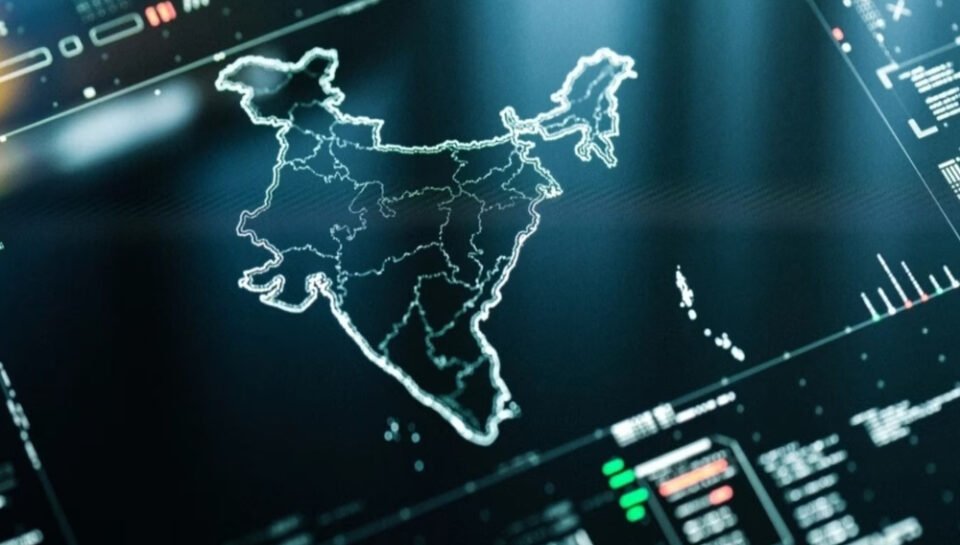
Reflect on the Evolution of Customer-Centric CRM in India’s Digital Age
Introduction
India’s journey through digital transformation has reshaped every aspect of business—from customer acquisition to loyalty, communication, and service delivery. Central to this transformation is the evolution of Customer Relationship Management (CRM), which has shifted from a data management tool to a strategic engine for customer-centricity. In India’s digital age, CRM is no longer confined to large enterprises; it has become an integral asset for startups, SMEs, and even regional players seeking to differentiate through personalized engagement. This evolution reflects how CRM practices have adapted to the expectations of the modern Indian consumer, who demands relevance, speed, empathy, and seamless experiences across channels.
From manual records to cloud-based systems
In the early 2000s, Indian businesses relied heavily on manual records, spreadsheets, and legacy software to store customer data. These systems were siloed, inefficient, and primarily served administrative purposes. With the rise of internet penetration and cloud technology, CRM evolved into cloud-based, scalable platforms accessible to companies of all sizes. Tools like Zoho CRM and Freshsales made it easier for Indian businesses to track leads, segment users, and automate communications—marking the first step in India’s move toward customer-centric systems.
Shifting focus from sales tracking to relationship building
Initially, CRM in India was adopted mainly by sales teams to track deals, leads, and follow-ups. However, with the rise of D2C brands, service startups, and subscription models, CRM began focusing on customer lifetime value and journey orchestration. Businesses started using CRM to engage with users before, during, and after the purchase. This shift marked the transformation from transactional CRM to relationship-driven CRM, where loyalty and retention became just as important as acquisition.
Integration of digital channels into CRM workflows
With India’s explosion in smartphone and internet usage, consumers began interacting with brands via multiple digital touchpoints—websites, apps, WhatsApp, social media, and email. CRM platforms evolved to integrate these channels, allowing businesses to capture, respond to, and analyze multichannel behavior. A customer who browses on an app, asks a question on WhatsApp, and later purchases on a website now has a unified record in the CRM. This omnichannel integration enables contextual engagement that is personalized and timely.
Rise of personalization and automation
As Indian consumers became more digitally savvy, expectations for tailored communication and experiences increased. CRM tools began offering advanced personalization features—segmenting users by behavior, triggering custom messages based on actions, and recommending products based on past interactions. Simultaneously, workflow automation helped brands send reminders, follow-ups, offers, and content without manual intervention. From a yoga app sending session nudges to a fintech platform offering personalized credit solutions, CRM became the engine for scalable personalization.
Adoption of AI and predictive analytics
In recent years, AI has played a growing role in CRM’s evolution in India. AI-enabled CRMs now offer predictive lead scoring, sentiment analysis, chatbot integration, and intelligent suggestions. For example, CRM tools can identify which customers are likely to churn, which users are ready to upgrade, or what product a user is most likely to buy next. This level of insight allows businesses to act proactively rather than reactively, enhancing both operational efficiency and customer satisfaction.
Expansion across sectors and business sizes
Earlier confined to B2B and large retail operations, CRM is now being adopted across healthcare, edtech, fitness, beauty, hospitality, and regional businesses. Affordable pricing models and vernacular interfaces have made CRM adoption feasible for Indian SMEs and rural entrepreneurs. For instance, a regional coaching center in Maharashtra can now automate reminders, attendance tracking, and test results through a simple CRM interface. This democratization of CRM has enabled even the smallest businesses to act customer-first.
Emphasis on consent and privacy in CRM practices
With the implementation of India’s Digital Personal Data Protection (DPDP) Act, CRM evolution has taken a privacy-conscious turn. CRM systems now help businesses track consent, manage communication preferences, and offer data portability. The shift from promotional blasts to permission-based, trust-building communication reflects a more mature, ethical approach to customer relationship management in India’s digital economy.
Linking CRM with customer experience and feedback
CRM is now deeply tied to customer experience (CX) management. Indian brands use CRM to send feedback surveys, collect ratings, and measure Net Promoter Scores (NPS). Negative feedback is flagged in CRM dashboards, enabling service recovery teams to act quickly. This feedback loop ensures that CRM is no longer just a sales or marketing tool—it’s a central feedback and improvement hub that informs strategy, service, and product development.
Real-time engagement and mobile CRM
With mobile-first users becoming the majority in India, CRM platforms have optimized for real-time mobile engagement. Notifications, support queries, and campaign responses are now tracked and triggered in real time. Mobile CRM apps allow field sales teams, on-site service agents, and business owners to manage customer relationships from anywhere. This agility and responsiveness reflect the expectations of today’s hyperconnected Indian consumer.
Rise of community-based and loyalty-driven CRM
As India’s consumer base becomes more community-oriented, brands are using CRM to manage referral programs, loyalty points, and exclusive member benefits. CRM segments are created for brand advocates, influencers, and top-tier customers—helping deliver special offers, early access, or recognition. From salon chains to online grocery stores, CRM-driven loyalty engagement is becoming a key pillar of retention strategy in India’s competitive sectors.
Conclusion
The evolution of customer-centric CRM in India’s digital age is not merely about software upgrades—it is about transforming business philosophy. From manual tracking to predictive engagement, from generic communication to hyper-personalization, and from data silos to omnichannel orchestration, CRM has become the nervous system of India’s modern businesses. In a market defined by diversity, speed, and rising expectations, CRM enables brands to not just manage relationships—but to create trust, deliver delight, and scale customer-first values. The future of CRM in India will continue to evolve, shaped by innovation, inclusion, and the shared goal of building meaningful human connections.
Hashtags
#CRMIndia #CustomerCentricCRM #DigitalIndiaCRM #CRMEvolutionIndia #CRMStrategyIndia #CRMTransformation #SmartCRMIndia #CRMUseCasesIndia #CustomerExperienceIndia #CRMInSMEsIndia #CRMAutomationIndia #MobileCRMIndia #AIinCRMIndia #OmnichannelCRMIndia #PersonalizedCRMIndia #CRMForGrowth #ConsentBasedCRM #CRMInRetailIndia #CRMLoyaltyIndia #CRMFeedbackIndia #DigitalTransformationIndia #CRMInSaaSIndia #CRMInHealthcareIndia #CRMForStartupsIndia #CRMDrivenSuccess