

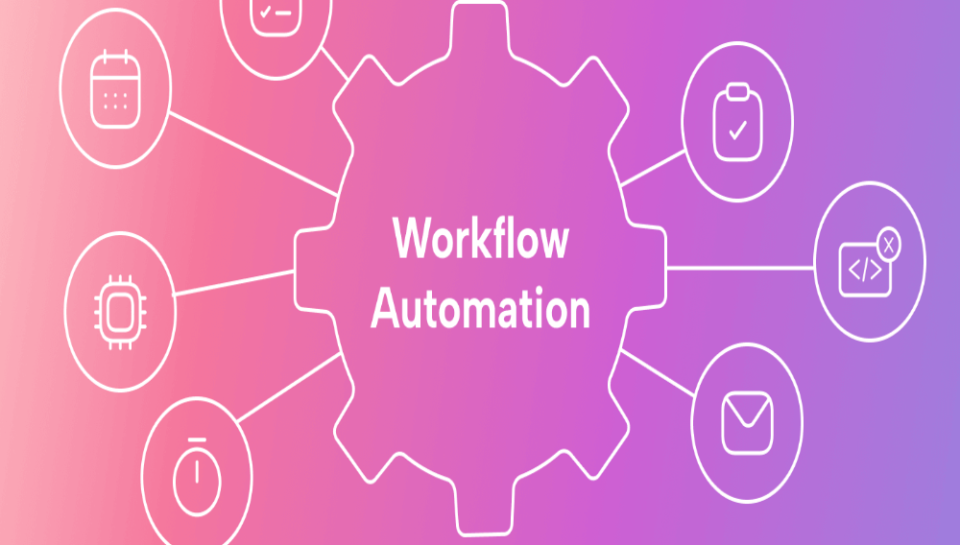
Introduction to task and workflow automation in planning systems
Introduction
Task and workflow automation has become a foundational feature of modern planning systems, especially in the context of India’s fast-growing digital economy. As businesses scale and client demands increase, manual processes often lead to inefficiencies, delays, and errors. To address these challenges, Indian companies across sectors such as IT services, digital marketing, logistics, consulting, and financial services are adopting automation within their planning tools. By automating repetitive tasks, standardizing workflows, and enabling real-time triggers, these systems help teams manage operations with greater accuracy, speed, and consistency. The result is a more agile and responsive organization that can meet both internal efficiency goals and evolving client expectations.
Streamlining Routine Tasks for Better Efficiency
Indian businesses frequently deal with large volumes of administrative and operational tasks that, while essential, consume valuable time and resources. Planning systems equipped with automation—such as Zoho Projects, Kissflow, Trello, and Asana—allow users to automate recurring actions like task assignments, reminders, status updates, and report generation. For instance, when a new client project is created, predefined tasks such as kickoff meetings, document collection, or contract reviews can be automatically generated and assigned to relevant team members. This reduces dependency on manual coordination and ensures no step in the process is overlooked.
Standardizing Business Workflows Across Teams
Workflow automation ensures that processes across different departments follow a consistent path, reducing confusion and miscommunication. Indian companies use planning tools to build standardized approval flows, escalation protocols, and service checklists. For example, a digital marketing agency may set up an automated content review workflow, where drafts submitted by content writers automatically move to editors, then to the client for approval, and finally to publication once confirmed. This kind of structured automation aligns team activities with organizational standards, saving time while improving accountability.
Enhancing Client Service Through Faster Turnaround
For service-oriented firms in India, client satisfaction is closely tied to timely and error-free execution. Workflow automation helps businesses respond faster by eliminating lag time between project phases. Tools like Freshworks, Zoho CRM, and Salesforce India allow automation of client follow-ups, invoice generation, task escalations, and feedback collection. This ensures that every client interaction is timely and professional, improving the overall service experience and reinforcing the firm’s reliability.
Trigger-Based Actions for Dynamic Operations
Many Indian firms implement event-based automation using conditional logic. Planning systems can be programmed to trigger specific actions based on task status, date, or client input. For example, when a task reaches its deadline without completion, the system can automatically notify the project manager and reassign the task to another team member. Similarly, if a client fills out a feedback form or confirms an appointment, follow-up tasks can be generated instantly. These dynamic workflows reduce delays and ensure a proactive approach to task management.
Reducing Human Error and Increasing Data Accuracy
Automation in planning tools also plays a critical role in reducing the margin of human error. By removing the need for repetitive manual input—such as updating task statuses, sending progress reports, or maintaining version control—Indian organizations ensure greater data integrity. This is particularly important in sectors like finance, legal services, and healthcare, where documentation and compliance require high levels of accuracy. Automated data validation, approval chains, and audit trails further help businesses maintain operational rigor.
Supporting Scalability in Growing Enterprises
As Indian startups and SMEs scale their operations, automation becomes essential to managing larger client volumes, multiple projects, and expanding teams. Planning platforms allow them to replicate successful workflows, onboard new clients quickly, and manage distributed teams without additional overhead. Automated task creation, notification systems, and performance tracking enable leadership teams to monitor progress and optimize resources more effectively. This ensures that growth does not compromise service quality or operational control.
Conclusion
Task and workflow automation within planning systems has become a key driver of productivity and client satisfaction for Indian businesses. By streamlining processes, reducing manual work, and enabling timely execution, automation helps organizations operate more efficiently and serve clients with consistency and speed. As digital transformation deepens across sectors in India, the adoption of automated planning tools will continue to rise, empowering businesses to scale sustainably, reduce risk, and deliver higher-quality outcomes in increasingly competitive environments.
Hashtags
#TaskAutomation #WorkflowAutomation #PlanningSystems #EfficiencyBoost #ProductivityTools #AutomationInPlanning #SmartWorkflows #DigitalTransformation #ProcessOptimization #TaskManagement #WorkflowEfficiency #AutomationBenefits #PlanningAutomation #BusinessProcessAutomation #TechInPlanning #StreamlineProcesses #FutureOfWork #WorkSmart #AutomationSolutions #InnovativePlanning