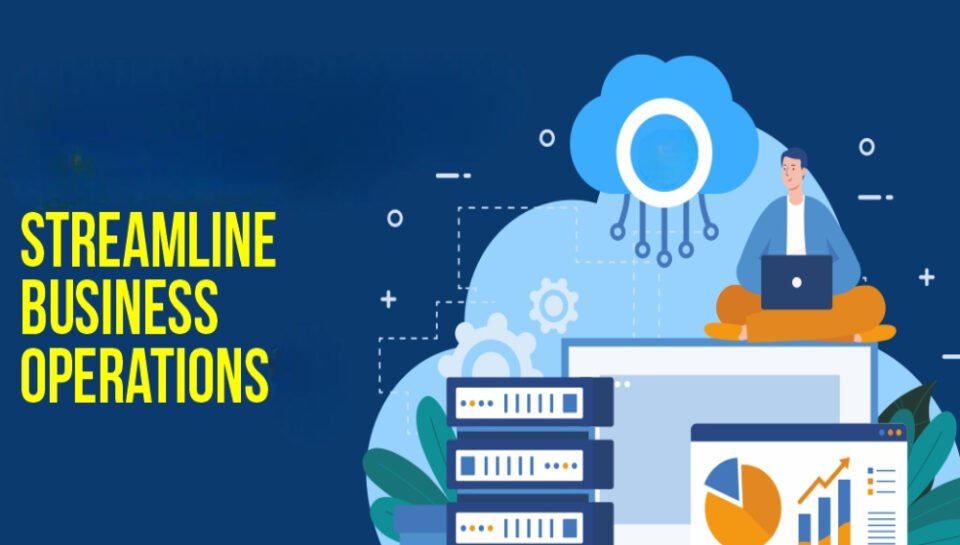
How do IT planning tools help streamline business operations?
Process Standardization and Automation
- IT planning tools define consistent workflows and procedures.
- They reduce manual tasks by automating repetitive operations.
- Centralized planning minimizes errors across departments.
- Standard templates and forms ensure uniform execution.
- Automation improves overall process reliability.
Enhanced Collaboration and Communication
- Teams access shared platforms for planning and updates.
- Real-time communication reduces delays and confusion.
- Integrated tools enable cross-functional alignment.
- Notifications and tagging improve task coordination.
- Visibility across teams improves mutual accountability.
Efficient Resource and Time Management
- Tools allocate resources based on real-time project needs.
- Scheduling functions reduce downtime and conflicts.
- They track resource usage to avoid overloading staff.
- Time tracking modules optimize workforce productivity.
- Efficient resourcing supports project delivery timelines.
Improved Monitoring and Reporting
- Dashboards provide live project and performance updates.
- KPIs are tracked and compared against business goals.
- Reports help identify delays, gaps, and risk areas.
- Historical data enables analysis and future planning.
- Continuous tracking ensures goal-oriented execution.
Alignment with Strategic Objectives
- IT tools link operational tasks to business priorities.
- They help prioritize projects that offer strategic value.
- Goals and performance metrics are aligned systematically.
- Strategy updates can be cascaded quickly across operations.
- This ensures focused efforts on high-impact areas.