

Detail how monitoring tools streamline regulatory reporting to authorities.
Introduction
In today’s regulatory landscape, timely and accurate reporting to authorities is no longer optional—it is a critical business obligation. Organizations across sectors are required to submit periodic disclosures, respond to compliance inquiries, and maintain audit-ready records that demonstrate adherence to laws and regulations. However, manual reporting methods are often time-consuming, fragmented, and error-prone. Modern compliance monitoring tools transform this process by automating data collection, standardizing formats, and integrating reporting workflows with real-time compliance monitoring systems. This article details how these tools streamline regulatory reporting to authorities, ensuring efficiency, accuracy, and legal defensibility.
Automated data aggregation from enterprise systems
Compliance monitoring tools integrate with internal systems such as ERP, HRIS, CRM, and document management platforms to automatically extract relevant compliance data. Whether it’s employee training completion, transaction logs, access records, or policy acknowledgments, these tools collect structured data across business units and consolidate it into a single reporting environment. This eliminates the manual collation of spreadsheets and emails while reducing the risk of oversight.
Pre-configured reporting templates and forms
Regulatory agencies often require organizations to submit standardized reports that adhere to specific structures. Monitoring platforms include pre-configured templates aligned with regional and industry-specific requirements—such as GDPR data breach notifications, SOX financial controls reports, or HIPAA audit logs. These templates guide users to populate fields accurately and ensure that submissions meet format expectations, deadlines, and jurisdictional criteria.
Real-time compliance dashboards and status indicators
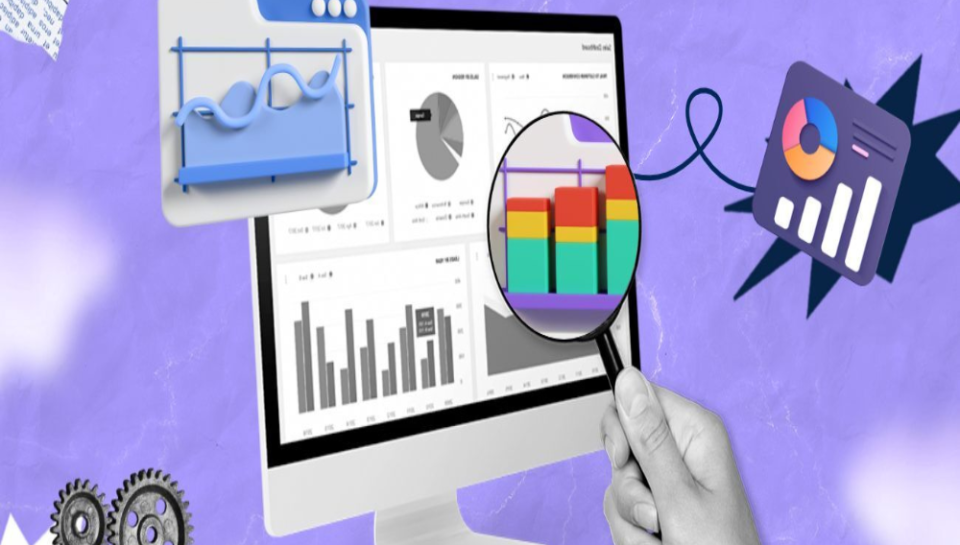
Monitoring tools feature real-time dashboards that display the organization’s compliance posture across multiple obligations. These dashboards highlight areas that are report-ready, incomplete, or overdue, enabling compliance teams to focus efforts where reporting gaps exist. Alerts and reminders can be configured for approaching deadlines, helping avoid last-minute rushes or missed submissions.
Built-in validation and accuracy checks
Modern platforms apply automated validations to ensure that all required fields are completed, data inputs match expected formats, and contradictory values are flagged before submission. This reduces the likelihood of rejected reports or follow-up queries from regulators. Validation checks also help internal reviewers confirm that the report reflects current operations and complies with both internal and external standards.
Centralized documentation and version control
Compliance reports often require supporting evidence such as audit logs, policy documents, incident records, or system snapshots. Monitoring tools maintain centralized documentation repositories with version control, enabling teams to attach evidence to reports and maintain traceable records of changes. This transparency ensures accountability and simplifies post-submission reviews or investigations.
Audit trail generation and reporting history
Each regulatory submission is logged with a time-stamped audit trail showing who prepared the report, what data was used, when it was reviewed, and when it was submitted. These histories are critical in demonstrating defensibility during audits or enforcement actions. Organizations can provide proof that reporting obligations were met systematically, and any changes were properly documented.
Role-based access and multi-department collaboration
Regulatory reporting is often a collaborative effort between legal, finance, HR, IT, and operations. Monitoring tools provide role-based access control, allowing stakeholders to contribute specific data or review sections relevant to their functions. This distributed workflow reduces bottlenecks while ensuring that subject matter experts contribute accurately to the final submission.
Automated submission and integration with authority portals
Many tools allow for direct integration with regulatory submission portals, enabling automatic transmission of reports from within the platform. APIs and secure upload channels are increasingly common with agencies that accept digital filings, reducing the need for separate systems and manual hand-offs. This streamlines the final step in the reporting process and supports real-time compliance transparency.
Adaptability to regulatory changes
When regulatory requirements evolve, organizations must quickly adjust reporting practices. Monitoring tools that maintain regulatory intelligence feeds or integrate with legal content providers notify users of changes in deadlines, report structures, or disclosure items. Reports can be auto-updated or reconfigured with minimal manual intervention, ensuring ongoing alignment with current laws.
Scalability across jurisdictions and business lines
As organizations operate across multiple countries and industries, regulatory obligations multiply. Monitoring platforms support scalable reporting frameworks that account for regional nuances, industry-specific needs, and business unit variances. This allows global compliance teams to maintain unified reporting practices without duplicating effort or creating inconsistent outputs.
Conclusion
Regulatory reporting is no longer just an administrative task—it is a strategic function that demonstrates an organization’s integrity, transparency, and commitment to legal compliance. Compliance monitoring tools simplify this function by automating data aggregation, providing standardized templates, maintaining audit trails, and enabling seamless collaboration. These tools ensure that organizations stay ahead of regulatory demands, avoid penalties, and present a unified, defensible compliance posture to authorities. In an era where the speed and accuracy of compliance reporting can impact both reputation and revenue, technology-powered reporting is not a luxury—it’s a necessity.
Hashtags
#RegulatoryReporting #ComplianceMonitoring #LegalTechnology #ComplianceTools #AutomatedReporting #ComplianceAutomation #AuditReadiness #RegulatoryCompliance #RealTimeCompliance #ReportingTemplates #DataAggregation #CompliancePlatform #LegalOps #ComplianceDashboard #ReportingAccuracy #ComplianceEfficiency #DigitalCompliance #ComplianceWorkflow #RegTechSolutions #ReportingAutomation #IntegratedCompliance #ReportingAuditTrail #LegalCompliance #EnterpriseReporting #GovernanceTools