

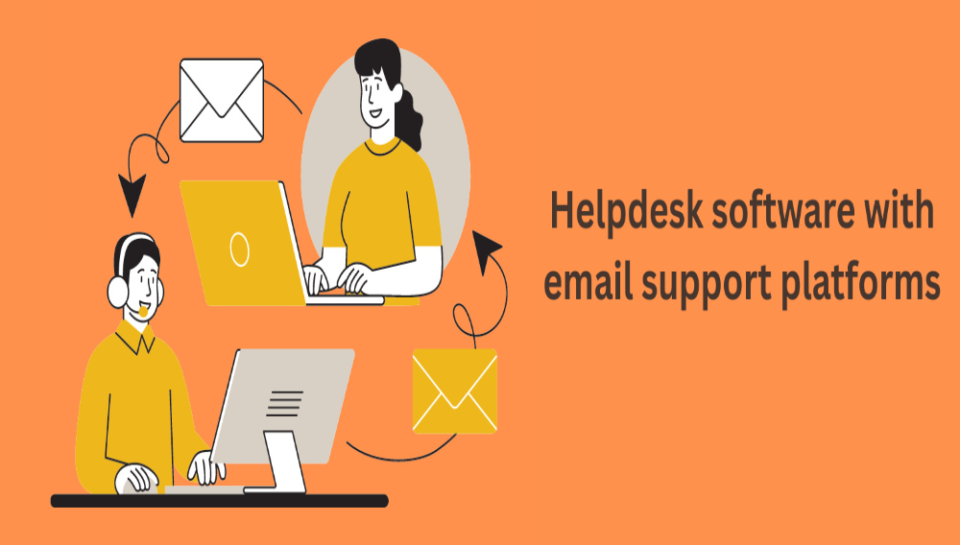
Detail the integration of helpdesk software with email support platforms
Introduction
Email continues to be a foundational channel in customer support, offering a written, accessible, and traceable method of communication between businesses and their clients. However, as customer bases grow and support queries increase, managing email through traditional inboxes becomes inefficient, disorganized, and vulnerable to human error. This challenge has led to the widespread adoption of helpdesk software, which when integrated with email support platforms, significantly enhances operational efficiency, accountability, and customer satisfaction. The integration allows teams to manage email-based inquiries within a structured ticketing system, turning scattered messages into trackable workflows. This fusion not only streamlines communication but also provides powerful tools for automation, analytics, collaboration, and service improvement.
Centralized Management of Customer Interactions
One of the key advantages of integrating helpdesk software with email support platforms is the ability to centralize all customer inquiries into a single, organized interface. Each incoming email is automatically converted into a ticket, which can be tracked, categorized, and prioritized according to business rules. This centralized system allows support agents to manage inquiries more efficiently and reduces the risk of emails being overlooked, lost, or duplicated across different inboxes. All customer data and conversation history are stored within the helpdesk, offering a unified view of each interaction.
Automated Ticket Creation and Assignment
Helpdesk integration streamlines the process of handling incoming emails by automatically generating tickets and assigning them to the appropriate agents or departments. Rules can be defined based on criteria such as subject line keywords, email addresses, tags, or time of receipt. This automation minimizes manual sorting and speeds up the initial response process. It ensures that inquiries reach the right individuals promptly, improving both agent productivity and customer response times.
Consistent and Professional Email Communication
Using helpdesk software to manage email communication enables consistent responses across the support team. Canned responses and email templates ensure that every customer receives clear, professional, and brand-aligned messages. These templates can be customized and personalized as needed, allowing agents to maintain a human tone while adhering to established communication standards. Consistency in email tone and structure builds trust and reinforces brand integrity.
Integrated Access to Customer Information
Integrating email support with helpdesk platforms often involves connecting to CRM systems or customer databases. This integration allows agents to access relevant information such as previous tickets, purchase history, account details, and preferences directly from the helpdesk dashboard. Having this context readily available enables agents to tailor their responses, resolve issues faster, and deliver more personalized support. It also eliminates the need to switch between systems, reducing friction and increasing efficiency.
Collaborative Ticket Handling Across Teams
Helpdesk software makes it easy for support agents to collaborate on tickets. Features like internal notes, tags, and ticket assignments allow team members to share insights or request input from colleagues without involving the customer directly. If an inquiry requires cross-functional support, such as assistance from technical, billing, or legal departments, the ticket can be reassigned or split into sub-tickets. This collaboration ensures that complex issues are addressed comprehensively and with the right expertise.
Automation of Repetitive Tasks and Follow-ups
The integration of helpdesk tools with email platforms allows support teams to automate routine processes such as confirmation emails, ticket updates, and feedback requests. Triggers can be set based on ticket status or time-based events, ensuring that no customer is left without a response or update. These automated workflows not only save time but also help maintain service level agreements by keeping cases moving toward resolution without manual intervention.
Enhanced Performance Tracking and Analytics
Helpdesk platforms offer robust reporting features that provide visibility into key performance indicators. Managers can monitor metrics such as average response time, resolution time, ticket volume, backlog, and customer satisfaction ratings. These insights help identify performance trends, bottlenecks, and training needs. With this data, teams can make informed decisions to improve service quality, allocate resources effectively, and adjust workflows as needed to meet business goals.
Improved Customer Satisfaction and Transparency
By integrating helpdesk capabilities into email support, businesses can ensure faster responses, better follow-ups, and more transparent communication. Customers receive acknowledgment emails when their message is received, status updates as their inquiry progresses, and resolution confirmations once their issue is addressed. This transparency reassures customers that their concerns are being handled and encourages trust in the support process. Satisfied customers are more likely to remain loyal and advocate for the brand.
Scalability for Growing Support Operations
As businesses expand, the volume of customer emails can grow exponentially. Helpdesk integration ensures that email support remains scalable by automating workflows, standardizing communication, and optimizing ticket management. With features like agent queues, skill-based routing, and escalation rules, support teams can handle more requests without compromising quality. This scalability allows companies to maintain service excellence as they grow, without having to increase headcount at the same rate as ticket volume.
Security, Compliance, and Data Management
Helpdesk platforms provide advanced security features that protect customer data and ensure regulatory compliance. Emails and tickets are stored securely with encryption, access controls, and audit trails. Sensitive information can be redacted, and user permissions can be managed to ensure that only authorized staff can view or edit specific types of data. This level of control is especially important in industries where privacy laws such as GDPR or HIPAA apply. Integrated platforms also make it easier to manage data retention policies and respond to customer data requests.
Conclusion
The integration of helpdesk software with email support platforms transforms customer service operations from reactive and disorganized to proactive and strategic. By centralizing communication, automating tasks, improving collaboration, and enabling data-driven decisions, this integration empowers support teams to deliver faster, more consistent, and more personalized service. It enhances transparency for customers and efficiency for agents while laying the foundation for scalable and secure support systems. As customer expectations continue to evolve, businesses that embrace helpdesk-email integration will be better equipped to provide timely, trustworthy, and high-quality service in an increasingly complex and competitive market.
Hashtags
#HelpdeskIntegration #EmailSupport #CustomerService #TechSupport #SupportSoftware #HelpdeskSolutions #EmailIntegration #CustomerExperience #SupportAutomation #ITSupport #HelpdeskTools #EmailManagement #CustomerSupport #TechIntegration #SupportEfficiency #HelpdeskSoftware #EmailSupportPlatforms #BusinessSolutions #CustomerCare #ProductivityTools