

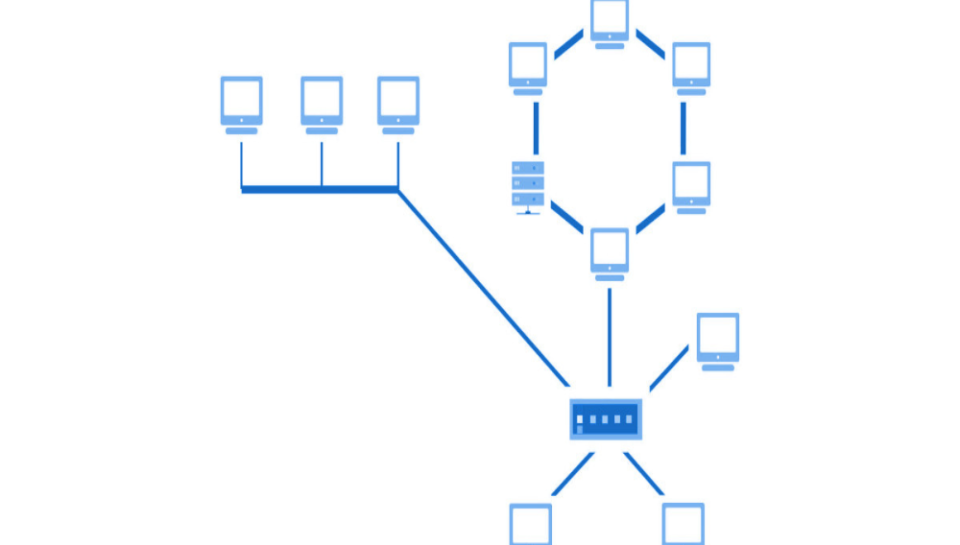
Analyze the role of hybrid network management in supporting India’s remote workforce
Introduction
The rise of remote work in India, accelerated by the global pandemic and sustained by the digital transformation wave, has fundamentally reshaped the country’s IT infrastructure and connectivity needs. With millions of professionals now working from diverse locations—from metropolitan cities to rural towns—the need for a flexible, secure, and resilient network architecture has become paramount. Hybrid network management emerges as a strategic solution that integrates traditional on-premises systems with cloud-based networks, providing a seamless and scalable environment for distributed workforces. Indian organizations, especially in the IT, banking, education, and healthcare sectors, are embracing hybrid models to balance performance, security, and user experience across varied geographies.
Understanding hybrid network management
Hybrid network management involves orchestrating connectivity and control between multiple network infrastructures—typically a mix of private, public, and edge networks. It enables centralized monitoring, configuration, and troubleshooting of devices and applications across physical and virtual environments. This model supports India’s remote workforce by delivering consistent performance, policy enforcement, and secure access regardless of location. Hybrid systems also allow businesses to leverage existing infrastructure investments while adopting scalable cloud solutions for remote operations.
Expanding network accessibility to rural India
India’s remote workforce spans from urban tech hubs to small towns and rural regions. Hybrid network management supports this diversity by extending secure access via cloud VPNs, SD-WANs, and mobile hotspots. Cloud-based access management systems ensure that employees working from less-connected areas experience minimal disruption. By integrating local ISPs with enterprise networks through hybrid architectures, companies ensure reliable last-mile connectivity, enabling inclusive and productive remote operations.
Ensuring data security and policy enforcement
One of the critical challenges in remote work environments is maintaining data integrity and enforcing security policies outside the corporate perimeter. Hybrid network management frameworks in India deploy endpoint security, identity and access management (IAM), and secure tunneling protocols to protect sensitive information. Network segmentation and conditional access policies are used to isolate threats and enforce compliance. Tools like zero trust network access (ZTNA) and multi-factor authentication (MFA) ensure that only authorized users can connect to internal systems, reducing the attack surface in a distributed workforce model.
Optimizing performance through intelligent routing
Hybrid networks utilize intelligent routing protocols and SD-WAN technology to direct traffic based on real-time conditions. For India’s remote employees, this means consistent performance regardless of bandwidth fluctuations or geographic constraints. By routing latency-sensitive applications like video conferencing or VoIP through the most efficient paths, hybrid networks minimize lag and enhance collaboration. Indian IT companies and managed service providers optimize routes using algorithms that prioritize critical business applications over general traffic.
Unified monitoring and visibility for remote endpoints
Visibility into network activity becomes complex when the workforce is geographically dispersed. Hybrid network management tools offer centralized dashboards that display real-time status of endpoints, bandwidth usage, and application performance. Indian enterprises use tools like Cisco Meraki, Fortinet, and ManageEngine to monitor user devices, virtual desktops, and cloud connections from a single pane of glass. This unified visibility allows IT teams to detect anomalies, manage incidents, and deliver proactive support to remote users.
Scalability and cost optimization for enterprises
Indian companies, particularly startups and SMBs, benefit from the cost-efficiency and scalability of hybrid networks. As workforces expand or contract, hybrid models allow for dynamic provisioning of network resources without significant hardware investments. Cloud-based licensing, pay-as-you-go bandwidth, and virtual network functions reduce operational costs. Infrastructure can be scaled vertically or horizontally to accommodate project-based teams or seasonal demand, ensuring resource optimization for both remote and in-office staff.
Support for diverse collaboration tools and platforms
The hybrid workforce in India relies on a broad range of collaboration tools such as Microsoft Teams, Zoom, Google Workspace, and project management platforms. Hybrid network management ensures these tools function seamlessly by offering Quality of Service (QoS) configurations, real-time application monitoring, and traffic shaping. IT teams can allocate bandwidth, prioritize traffic, and troubleshoot performance issues remotely, ensuring uninterrupted workflows for distributed teams across different sectors.
Integration with cloud service providers
Cloud integration is a fundamental element of hybrid networking. Indian organizations often use multi-cloud environments combining AWS, Azure, and Google Cloud. Hybrid management tools provide orchestration between these services and on-premises infrastructure, enabling seamless data flow, consistent security policies, and compliance. Businesses can securely host applications in the cloud while retaining control over critical data locally—a model particularly relevant for regulated sectors such as finance and healthcare.
Disaster recovery and business continuity
Resilience is vital for remote workforce enablement, especially during network failures or cyber incidents. Hybrid network management facilitates robust disaster recovery solutions by replicating data and services across cloud regions and physical data centers. Indian businesses deploy automated failover mechanisms, backup systems, and redundant paths to ensure continuity. These capabilities ensure that remote workers can resume operations swiftly, minimizing downtime and preserving productivity during unforeseen disruptions.
Role of managed service providers (MSPs)
MSPs in India play a significant role in implementing and managing hybrid networks for remote work. They offer services ranging from network design and cloud integration to cybersecurity and compliance audits. By outsourcing hybrid network management to specialized providers, Indian businesses can focus on core operations while ensuring technical excellence, SLA-driven performance, and 24/7 support. MSPs also help future-proof IT infrastructure through regular upgrades and strategic planning.
Conclusion
Hybrid network management is a cornerstone of India’s remote work evolution. It bridges the gap between physical and virtual infrastructures, enabling seamless, secure, and scalable connectivity for a geographically diverse workforce. With the Indian economy increasingly digital and decentralized, hybrid network solutions empower businesses to operate without borders, mitigate risks, and unlock new levels of productivity. As remote work becomes a long-term reality, hybrid network management will continue to evolve as a strategic enabler for inclusive and resilient enterprise growth across India.
Hashtags
#HybridNetworkManagement #RemoteWorkIndia #IndianITInfrastructure #CloudNetworking #SDWANIndia #SecureConnectivity #NetworkSecurity #ZeroTrustIndia #RemoteAccessSolutions #ITManagementIndia #DigitalIndia #NetworkScalability #BusinessContinuity #CloudIntegration #IndianMSPs #EndpointMonitoring #WorkFromAnywhere #DisasterRecoveryIndia #SmartNetworking #ITSupportIndia #ManagedServicesIndia #RemoteWorkSolutions #FutureOfWorkIndia #NetworkOptimization #HybridWorkforceIndia