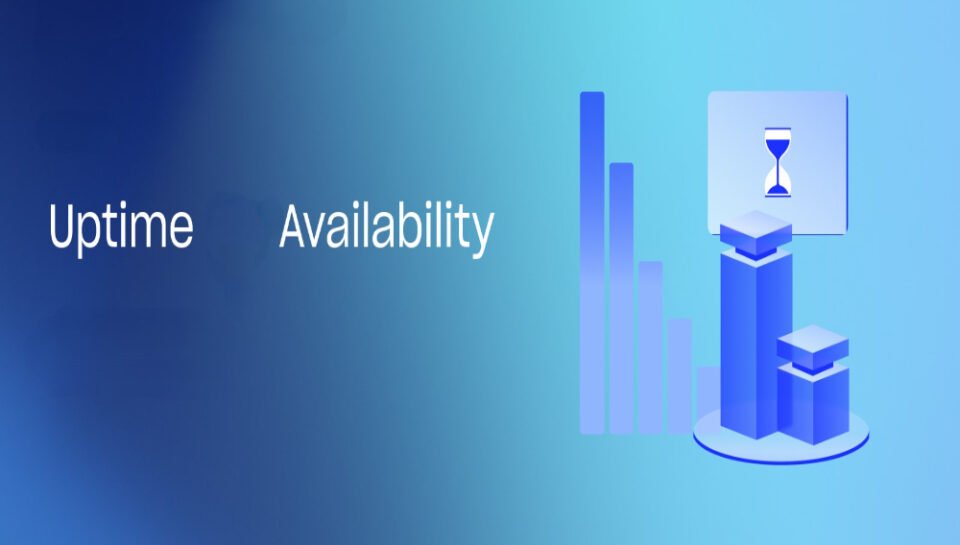
How do managed services ensure uptime and availability of communication systems?
High-Availability Architecture
• Designs redundant systems for voice, video, and messaging platforms
• Implements automatic failover for critical services and endpoints
• Distributes workloads across cloud data centers to prevent outages
• Maintains uptime across multiple devices and user locations
• Supports clustered servers and geo-redundancy for communication apps
Continuous Monitoring and Alerting
• Tracks uptime, call quality, and server health in real time
• Monitors network connectivity and bandwidth for performance dips
• Sends alerts for system degradation or service interruptions
• Identifies early warning signs to avoid communication breakdowns
• Uses dashboards to visualize system health across all locations
SLA and Response Guarantees
• Offers service-level agreements with guaranteed uptime targets
• Responds to outages and support requests within set timeframes
• Escalates critical incidents according to impact and urgency
• Provides transparency into performance metrics and response history
• Builds trust through documented availability standards
Preventive Maintenance and Updates
• Schedules updates during non-peak hours to reduce disruption
• Performs regular infrastructure health checks and audits
• Tests disaster recovery scenarios to ensure readiness
• Keeps systems updated with the latest patches and optimizations
• Ensures availability even during change management cycles
Load Balancing and Optimization
• Balances traffic across servers, users, and communication zones
• Prevents bottlenecks during video meetings or mass messaging
• Manages bandwidth allocation for critical communication services
• Supports voice prioritization through Quality of Service (QoS) settings
• Ensures smooth user experiences across devices and platforms