
Outline the Use of Lead Management Systems in Indian Operational CRM
Introduction
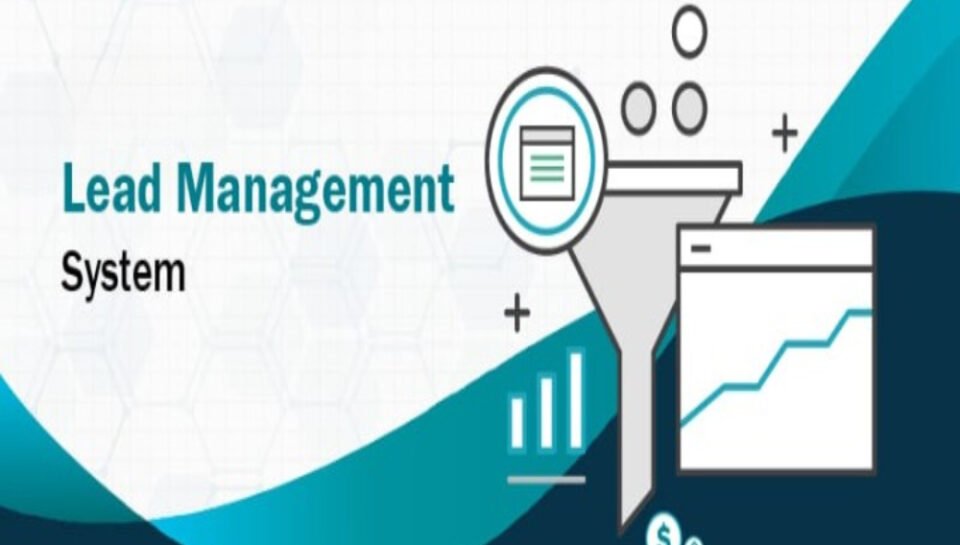
In the Indian business ecosystem, where customer acquisition is a top priority across industries, lead management has emerged as a fundamental process for sales success. Lead Management Systems (LMS), embedded within operational Customer Relationship Management (CRM) tools, help businesses streamline the journey from inquiry to conversion. For Indian enterprises, startups, and SMEs, these systems offer a structured way to capture, distribute, nurture, and track leads—ensuring higher efficiency, better follow-ups, and improved conversion rates. From education and real estate to IT services and e-commerce, lead management through operational CRM is transforming the sales process in India’s diverse and competitive marketplace.
Capturing leads from multiple sources
Lead management systems in Indian operational CRM tools enable automatic lead capture from diverse channels—websites, social media platforms, email campaigns, third-party aggregators, WhatsApp chats, phone calls, and offline events. For example, an edtech firm can collect leads through demo registration forms, while a real estate developer captures inquiries from portals like MagicBricks or 99acres. This centralization ensures no opportunity is missed and reduces manual entry errors, offering a seamless experience for both the business and the prospect.
Lead qualification and scoring
Once leads are captured, the CRM system classifies them based on predefined attributes such as source, location, interest level, budget, or behavior. Indian companies use lead scoring models to prioritize high-value or ready-to-convert leads. For instance, a fintech company may assign higher scores to salaried applicants from metro cities who click on loan calculators, triggering faster follow-ups by the sales team. This automation helps in filtering out low-intent leads early in the funnel, optimizing resource allocation.
Automatic lead assignment and routing
Operational CRM platforms route leads to the appropriate sales or support personnel based on geography, product interest, team workload, or language preference. In India, where regional diversity affects communication and customer preferences, this is particularly useful. A CRM can automatically assign Tamil-speaking leads to southern region teams or divert enterprise-grade leads to senior executives. This intelligent distribution shortens response time and boosts the chance of conversion through contextual engagement.
Enabling timely and automated follow-ups
Lead management systems allow Indian businesses to set automated follow-up sequences through email, SMS, WhatsApp, or push notifications. If a lead hasn’t responded within 48 hours, the CRM can send a reminder, offer a callback option, or escalate the lead to a supervisor. Industries like higher education, insurance, and travel use such features to nurture prospects over time with timely, relevant communication. These automated nudges ensure continuity in engagement and reduce dependence on manual reminders.
Tracking lead lifecycle and interaction history
Every interaction—emails, phone calls, meetings, notes, or responses—is logged within the CRM for future reference. Indian organizations benefit from this comprehensive view when leads re-engage after a gap, enabling contextual and personalized conversations. For instance, a sales agent in a Mumbai-based software firm can view a lead’s past product demo interest and tailor their pitch accordingly. This continuity improves trust and accelerates deal closure.
Lead nurturing and drip campaigns
Not all leads are ready to convert immediately. Indian businesses use CRM-integrated lead nurturing features to run drip email campaigns, share relevant content, invite prospects to webinars, or offer seasonal discounts. An e-commerce CRM may send product updates to leads who showed interest but didn’t purchase, while a real estate CRM can share construction updates to maintain engagement. Such long-term nurturing improves brand recall and ensures leads stay warm.
Mobile CRM and field lead updates
In sectors like logistics, real estate, retail, and insurance, where field agents handle prospecting, mobile CRM apps are essential. Agents can add leads, update meeting outcomes, and upload documents from their smartphones. For example, an insurance advisor in Lucknow can log a new lead, update visit notes, and set reminders for follow-up directly through a mobile CRM. This real-time update capability keeps central teams informed and shortens the sales cycle.
Analytics and performance tracking
CRM dashboards offer real-time visibility into lead sources, conversion rates, agent productivity, and campaign effectiveness. Indian businesses use these insights to refine marketing strategies, optimize sales processes, and evaluate team performance. For example, a university may analyze which lead sources (Google Ads, fairs, or referrals) generate the most enrollments and reallocate budgets accordingly. With regional filters, enterprises can also compare lead performance across states or cities.
CRM integration with external systems
Operational CRM systems in India integrate with external tools like Google Ads, Facebook Lead Forms, Tally, WhatsApp Business API, and ERP systems. This enables smoother lead flow, faster quote generation, and invoice syncing. For instance, a CRM can capture leads from Facebook campaigns, assign them instantly to reps, and trigger personalized WhatsApp messages—all without switching platforms. This seamless integration improves efficiency and reduces friction across the sales funnel.
Compliance and data security in lead handling
With the enforcement of the Digital Personal Data Protection Act, 2023, Indian businesses must handle customer data responsibly. CRM-based lead management ensures secure storage, consent capture, and restricted access to sensitive data. Features such as audit trails, role-based permissions, and data deletion tools help organizations remain compliant while building customer trust. Especially in sectors like healthcare, education, and BFSI, these features are not just beneficial—they’re mandatory.
Conclusion
Lead Management Systems within operational CRM platforms have revolutionized how Indian businesses attract, qualify, and convert prospects. By automating capture, segmentation, nurturing, and performance tracking, these systems bring speed, structure, and intelligence to the sales funnel. In a country as diverse and dynamic as India, CRM-driven lead management ensures businesses stay agile, customer-focused, and efficient in achieving their revenue goals. As markets become more competitive and customer journeys more complex, leveraging CRM for lead management is no longer optional—it is essential.
Hashtags
#OperationalCRM #LeadManagementIndia #CRMIndia #CRMtoolsIndia #CRMforSales #LeadScoring #SalesAutomationIndia #CRMstrategyIndia #DigitalCRMIndia #CRMbenefits #CustomerEngagementIndia #CRMforStartupsIndia #LeadTracking #CRMforSMEsIndia #CRMworkflow #CRMinsights #CRMmobileIndia #CRMcomplianceIndia #CRMmarketingIndia #CustomerAcquisitionIndia #CRMdataSecurity #CRMintegrationIndia #LeadNurturingIndia #SalesSuccessIndia #CRMdrivenGrowth