Explain how automation enhances email-based customer interactions
Introduction
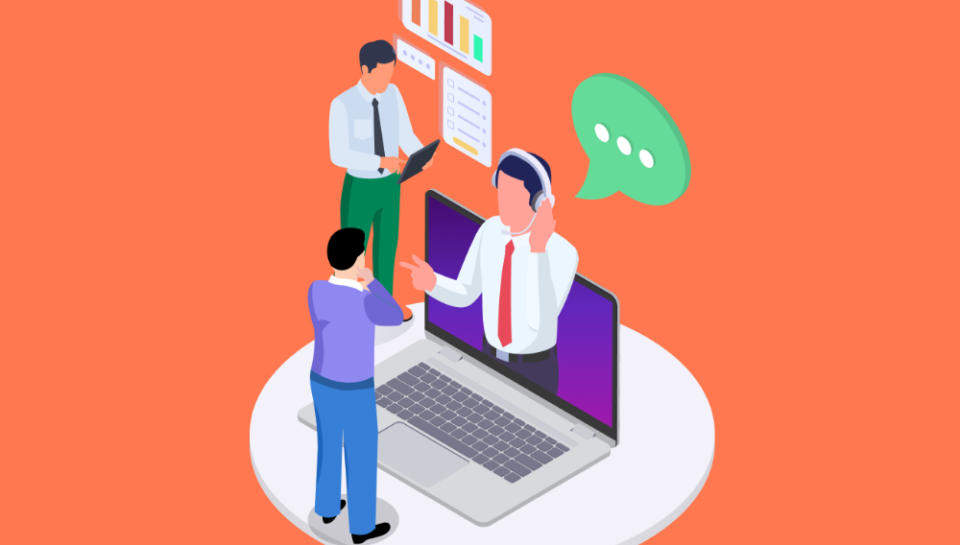
In today’s digital-first business environment, customer service departments are expected to deliver fast, accurate, and personalized responses across a wide range of communication channels. Among these, email remains one of the most trusted and widely used platforms for customer interactions. However, managing high volumes of email requests while maintaining consistency and responsiveness can be challenging. This is where automation plays a transformative role. Automation in email-based customer interactions refers to the use of technology such as artificial intelligence, machine learning, and workflow automation to manage, route, and respond to emails with minimal human intervention. When implemented effectively, automation improves the speed, quality, and efficiency of customer support, leading to stronger customer relationships and better service outcomes. This comprehensive explanation explores the various ways in which automation enhances email-based interactions and drives operational excellence in customer service.
Faster Acknowledgment of Customer Queries
One of the primary advantages of automation is the ability to provide immediate acknowledgment of customer emails. As soon as an inquiry is received, the system can automatically generate a confirmation message letting the customer know that their request has been received and is being processed. This quick response sets customer expectations and reduces uncertainty. It also gives the customer confidence that their message has reached the right destination. In contrast, manual acknowledgment may take hours or even days during peak periods, leading to frustration and negative perceptions.
Efficient Email Triage and Routing
Automation enables smart triage of incoming emails based on keywords, subject lines, customer history, and sentiment analysis. The system can automatically categorize emails into predefined topics such as billing, technical support, product inquiries, or complaints. Once categorized, emails can be routed to the appropriate department or agent without any manual involvement. This ensures that emails are directed to the right person faster and that support agents can focus on solving issues rather than sorting them. Efficient routing reduces the risk of emails being lost, misassigned, or delayed in the system.
Use of Automated Responses and Templates
Many customer inquiries are repetitive in nature and can be addressed using standard responses. Automation allows companies to use pre-written templates or canned responses that can be sent with minimal customization. These responses are professionally written, accurate, and compliant with brand guidelines. When integrated with customer data, automation tools can even personalize these responses by including the customer’s name, product details, or account history. This approach saves time for support agents and ensures that customers receive prompt and consistent answers to common questions.
Integration with CRM and Customer History
Automation tools can be integrated with customer relationship management systems to access relevant data such as previous purchases, support history, and communication logs. When a new email is received, the system can automatically pull this information and present it to the support agent or use it to generate a context-aware automated response. This level of integration improves the relevance and accuracy of responses and enables a more personalized customer experience. It also reduces the time agents spend looking up customer data, allowing them to respond faster and more effectively.
Improved Response Time and SLA Compliance
Automation plays a crucial role in helping businesses meet their service-level agreements. Automated reminders and escalations ensure that emails are responded to within the designated time frames. If an email has not been answered within a specified window, the system can escalate it to a supervisor or reassign it to another agent. These proactive alerts prevent missed deadlines and ensure that customers receive timely assistance. Meeting or exceeding SLA targets contributes to higher customer satisfaction and builds trust in the support process.
Consistency and Quality Control
Manual responses can vary significantly between support agents in tone, structure, and content. Automation brings standardization to email communication by using approved templates and workflows. This ensures that all customers receive consistent and high-quality responses regardless of which agent handles their case. It also reduces the likelihood of errors, omissions, or inappropriate language. Quality control is further enhanced through automated spell checks, grammar corrections, and compliance checks that can be integrated into the email response system.
Scalability During High Demand Periods
Customer support volumes can fluctuate based on seasons, promotions, product launches, or service disruptions. Automation enables support teams to scale their operations without hiring additional staff. By automating routine tasks such as email categorization, acknowledgment, and basic responses, the system frees up human agents to focus on more complex and critical issues. This scalability ensures business continuity and service consistency even during peak periods when manual handling would result in delays and overload.
Advanced Analytics and Reporting
Automated email systems generate detailed metrics on key performance indicators such as response time, resolution time, customer satisfaction scores, and agent productivity. These analytics provide actionable insights into team performance and customer behavior. Managers can use these reports to identify trends, forecast demand, and optimize workflows. Automation also enables real-time dashboards and alerts that help supervisors monitor service levels and take corrective action as needed. These insights are critical for continuous improvement and strategic planning.
Personalization at Scale
While automation is often associated with standardized communication, it also supports advanced personalization. Modern automation tools can dynamically insert customer-specific details into email templates, tailor responses based on past interactions, and even adjust language or tone based on customer preferences. This capability allows businesses to offer a personalized experience at scale, which was previously achievable only through one-on-one manual responses. Personalization enhances customer engagement and creates a more human-like interaction even within automated frameworks.
Reduction in Agent Workload and Burnout
By handling repetitive and time-consuming tasks, automation reduces the burden on support agents. Agents can spend more time solving meaningful customer problems and less time on administrative work. This not only improves job satisfaction but also reduces the risk of burnout. With fewer distractions and more focused work, agents are more productive and capable of delivering higher quality service. Automation thus contributes to a healthier and more effective work environment.
Conclusion
Automation has emerged as a powerful ally in transforming email-based customer interactions. By streamlining workflows, accelerating response times, and enabling personalized communication, automation enhances both customer satisfaction and operational efficiency. It bridges the gap between growing customer expectations and limited human resources, offering a scalable and reliable support solution. From smart triaging to SLA compliance, from template responses to real-time analytics, automation touches every aspect of the email support process. It ensures that customers feel heard and supported while empowering businesses to deliver consistent, timely, and high-quality service. As the digital landscape continues to evolve, companies that embrace automation in their email support strategies will be better positioned to build lasting relationships and maintain a competitive edge.
Hashtags
#EmailAutomation #CustomerExperience #DigitalMarketing #CustomerEngagement #AutomationBenefits #EmailMarketing #CustomerSupport #TechInBusiness #BusinessAutomation #EmailCommunication #CustomerSatisfaction #MarketingAutomation #EfficiencyInBusiness #CustomerJourney #PersonalizedEmails #EmailStrategy #AutomationTools #CustomerFeedback #BusinessGrowth #EmailTrends