

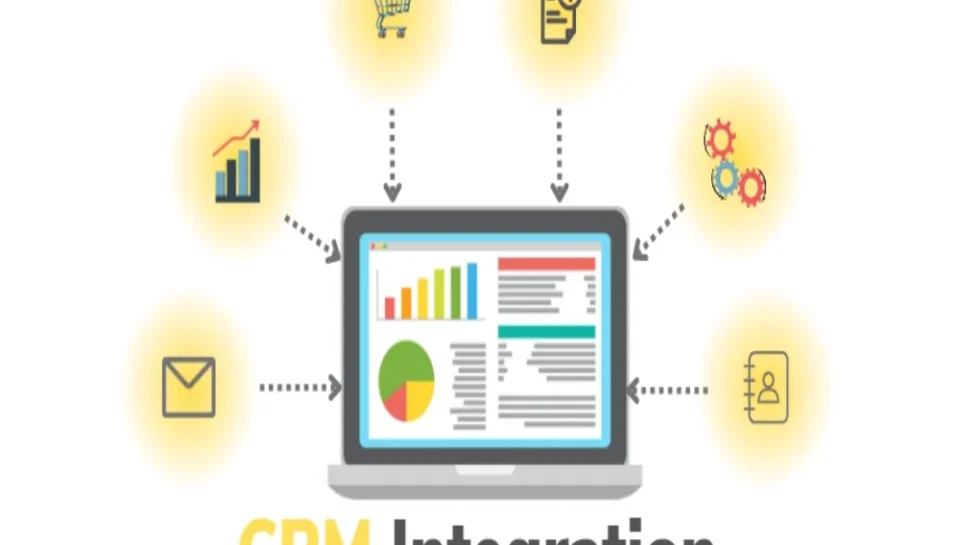
Establish the role of CRM integration in managing phone support efficiency
Introduction
In a service-driven marketplace where customer expectations continue to rise, businesses must provide fast, personalized, and consistent support across all channels. One of the most traditional yet still widely used channels is phone support. Despite the growth of chatbots, social media, and live chat tools, phone calls remain a vital way for customers to connect with businesses, especially for urgent or complex issues. However, managing phone support efficiently can be challenging without the right tools in place. This is where Customer Relationship Management (CRM) integration plays a transformative role. CRM integration refers to the seamless connection between a company’s phone system and its CRM software, enabling access to real-time customer data during live calls. This connection drastically improves the quality, speed, and efficiency of phone support operations.
Real-Time Access to Customer Information
One of the most significant benefits of CRM integration in phone support is real-time access to customer profiles and interaction history. As soon as a call comes in, the CRM system can display the caller’s details, including past purchases, support tickets, preferences, and previous interactions. This immediate visibility allows agents to understand the customer’s context without needing to ask repetitive questions. As a result, it shortens call times, reduces customer frustration, and helps agents focus on resolving the issue more efficiently.
Faster Call Routing and Reduced Wait Time
CRM-integrated phone systems can intelligently route calls based on customer data, issue type, or account status. For instance, high-priority clients or those with active escalations can be automatically directed to senior agents or specialized teams. This intelligent routing ensures that customers reach the right person the first time, eliminating the need for transfers and reducing average handling time. Efficient call routing enabled by CRM reduces queues and wait times, directly improving service levels and customer satisfaction.
Improved Personalization of Support
Personalization is a key driver of customer satisfaction. When phone support is integrated with CRM, agents can greet customers by name, reference their previous concerns, and tailor responses based on their preferences and history. This personalized approach makes customers feel valued and understood. Personalized service not only improves the customer experience but also builds trust and loyalty, which are essential for long-term business success.
Streamlined Call Logging and Documentation
CRM integration automates the process of logging call details, notes, and outcomes. Rather than manually entering data after a call, agents can use click-to-log features that instantly record interaction details. This reduces administrative workload, prevents data entry errors, and ensures accurate documentation. With a complete and organized history of every customer call, teams can follow up more effectively and provide consistent support across touchpoints.
Enhanced Performance Tracking and Analytics
CRM systems offer powerful reporting tools that track key metrics such as call duration, first-call resolution rate, customer satisfaction scores, and agent productivity. When integrated with phone support, these analytics become more detailed and actionable. Managers can monitor individual and team performance, identify training needs, and optimize resource allocation. Real-time dashboards help supervisors make data-driven decisions that improve service quality and efficiency.
Facilitated Collaboration Across Departments
Customer support often requires input from multiple departments such as sales, billing, or technical teams. With CRM integration, all departments can view and update the same customer profile, ensuring that everyone is on the same page. If a customer calls with a billing issue, for example, the agent can see the customer’s payment history and flag the finance team for follow-up without switching tools. This collaborative environment enables faster resolutions and a unified customer experience.
Automation of Routine Processes
CRM-integrated phone systems allow for automation of many repetitive tasks, such as ticket creation, case categorization, follow-up reminders, and survey distribution after a call. Automating these tasks not only reduces the agent’s workload but also ensures that no critical steps are missed. For instance, a follow-up email with a summary of the call can be automatically sent to the customer, enhancing transparency and customer trust.
Consistent Customer Experience Across Channels
In an omnichannel support environment, customers may interact with a business via phone, email, chat, or social media. CRM integration ensures that all these interactions are logged in a single customer profile. When a customer who previously emailed support calls in, the agent can review the email thread and continue the conversation without repetition. This continuity ensures a seamless experience and avoids the frustration of re-explaining the issue multiple times.
Scalability and Flexibility in Support Operations
As businesses grow, so do customer service demands. CRM integration provides the flexibility and scalability needed to support more customers without compromising service quality. New agents can be onboarded quickly with access to detailed customer profiles and historical data. Automated workflows reduce the learning curve and ensure that processes remain consistent even as the team expands.
Better Compliance and Data Security
Phone support teams often deal with sensitive customer information, including billing data and personal identifiers. CRM systems offer role-based access, audit trails, and encryption features that protect this data and ensure compliance with regulations such as GDPR or HIPAA. When integrated with phone systems, CRM platforms provide a secure environment for handling customer data, protecting both the customer and the business from potential risks.
Conclusion
CRM integration is no longer a luxury but a necessity for managing phone support with precision, speed, and efficiency. By giving agents real-time access to customer information, automating routine tasks, and enabling intelligent call routing, CRM integration empowers support teams to deliver exceptional service with minimal effort. It enhances productivity, improves personalization, and ensures consistency across all customer interactions. Moreover, it provides managers with the tools they need to monitor performance, ensure compliance, and drive continuous improvement. In a competitive business landscape, organizations that leverage CRM integration for phone support gain a significant advantage by delivering faster, smarter, and more meaningful customer experiences.
Hashtags
#CRMIntegration #PhoneSupport #CustomerService #SupportEfficiency #TechSolutions #CustomerExperience #BusinessGrowth #HelpdeskManagement #CustomerRelationshipManagement #SupportAutomation #EfficiencyBoost #TechIntegration #CustomerSupport #ServiceExcellence #BusinessStrategy #CallCenterSolutions #CustomerSatisfaction #WorkflowOptimization #DigitalTransformation #SupportTools