

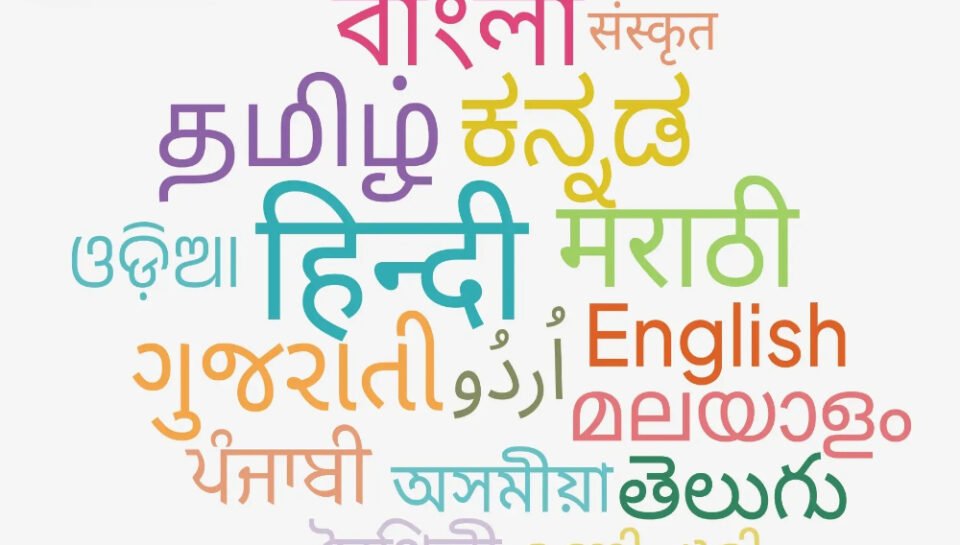
Define regional keyword targeting in Indian languages
Introduction
As India’s internet user base continues to grow, regional language speakers represent a large and increasingly active portion of the digital population. To effectively reach this audience, businesses must move beyond English-centric strategies and embrace regional keyword targeting in Indian languages. This technique involves identifying, optimizing, and deploying search terms that users enter in regional languages such as Hindi, Tamil, Bengali, Telugu, Marathi, and others. Regional keyword targeting enhances discoverability, relevance, and engagement among local language users, opening new growth opportunities across diverse geographic and linguistic segments.
Understanding the scope of regional keyword targeting
Regional keyword targeting involves tailoring your SEO strategy to reflect the words, phrases, and queries that users enter in their native Indian languages. These keywords are often typed using local scripts (such as Devanagari, Tamil, or Bengali) or in transliterated English. The goal is to meet users where they are by matching their search behavior with culturally and linguistically relevant terms. This approach taps into the vast and underserved market of users who prefer browsing in their first language.
Recognizing the multilingual digital landscape of India
India is home to 22 officially recognized languages and hundreds of dialects. Millions of users interact with the internet in languages other than English. Google reports that more than 50% of search queries in India are conducted in regional languages. By aligning keyword targeting with this behavior, businesses can unlock visibility among audiences who are otherwise overlooked in English-focused SEO strategies.
Conducting regional keyword research
The first step in regional keyword targeting is thorough research. Tools like Google Keyword Planner, Google Trends, SEMrush, and Ubersuggest can be configured to find keyword volumes for Indian languages. Additionally, platforms like Ahrefs now support keyword exploration in regional contexts. Keyword discovery should include script-based terms and phonetically typed variations Long-tail keyword exploration, question-based search terms, and local slang enhance targeting precision.
Leveraging transliterated and phonetic queries
Indian users often type regional language queries using the Roman alphabet, known as transliteration. For example, a Hindi speaker might search “sasta mobile kaun sa hai” instead of . Incorporating both script-based and transliterated keywords ensures you capture all traffic variations. These phonetic-style searches are especially common on mobile devices and in semi-urban and rural areas.
Creating regionally relevant content
Targeted keywords should be embedded in content that reflects the cultural and linguistic context of the user. Creating region-specific landing pages, blog posts, videos, or FAQs that feature the selected regional keywords helps improve rankings and engagement. Content should match the user’s tone, preferences, and expectations, ensuring that it feels authentic and trustworthy. Including keywords in meta tags, alt text, headers, and internal links enhances discoverability.
Implementing technical SEO for regional languages
Proper technical SEO is essential for regional keyword success. This includes setting the correct language and locale in the HTML language attribute Websites should use Unicode encoding (UTF-8) to support Indian scripts without display issues. Creating clean URLs and structured data in regional scripts boosts crawlability and allows Google to understand and index your content correctly.
Combining regional SEO with local SEO
Regional keyword targeting becomes even more effective when combined with local SEO strategies. For example, a business offering services in Coimbatore might use keywords like “best tailoring service in Coimbatore” in Tamil: “கோயம்புத்தூரில் சிறந்த தையல் சேவை”. Adding these terms to Google Business Profiles, map listings, and local content increases relevance for hyperlocal audiences. Reviews and testimonials in local languages further support trust and search relevance.
Monitoring performance and refining keywords
Like all SEO strategies, regional keyword targeting requires consistent performance monitoring. Use Google Search Console and Google Analytics to track impressions, clicks, bounce rates, and conversions for regionally optimized content. Analyze what queries drive traffic and adapt keyword strategies accordingly. Testing new regional terms and comparing results helps refine targeting and enhance ROI over time.
Addressing challenges in regional keyword execution
Targeting Indian languages poses unique challenges such as inconsistent spelling, multiple dialects, and limited keyword research tools for some languages. Brands must invest in native speakers, linguistic consultants, or regional content creators to ensure accurate and sensitive keyword usage. Continuous updates and content audits are essential to maintain quality, especially when expanding into new regions or languages.
Exploring voice search and regional intent
As voice search adoption increases, regional keyword targeting must account for how users speak queries in their native tongue. Voice inputs often involve question formats, local references, and natural language. Optimizing for voice search includes using conversational long-tail keywords, answer-rich content, and local context. This trend is especially important in tier-2 and tier-3 cities where voice interaction is rapidly growing.
Conclusion
Regional keyword targeting in Indian languages is no longer optional—it’s essential for businesses looking to scale in India’s diverse and rapidly expanding digital landscape. By understanding language behavior, incorporating script and phonetic terms, and creating culturally relevant content, brands can gain a significant competitive edge. This approach not only boosts organic visibility but also builds stronger connections with regional audiences. In a country where language defines identity and trust, keyword strategies rooted in local understanding are the future of effective SEO.
Hashtags
#regionalseo #indianlanguagesSEO #multilingualSEO #localcontentstrategy #keywordtargetingindia #hindiseo #tamilseo #bengaliseo #marathiseo #teluguseo #transliteratedkeywords #indianmarketseo #voiceoptimization #seoindia #regionalcontent #localkeywordstrategy #scriptbasedseo #searchintent #googleindiaSEO #regionalcontentmarketing #indianSEObestpractices #multilingualmarketing #utf8seo #culturalseo #linguisticseo #localizationstrategy