

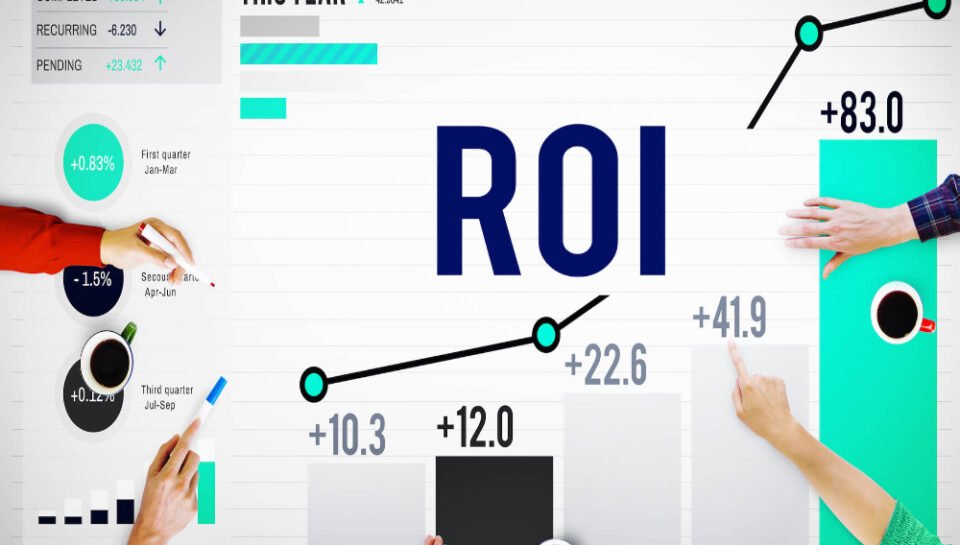
Establish metrics for ROI in Indian SEO campaigns
Introduction
In India’s rapidly evolving digital economy, measuring the return on investment (ROI) of SEO campaigns is essential for sustained growth and budget justification. SEO, while often long-term and organic in nature, still demands strategic investment in content, tools, manpower, and outreach. Therefore, businesses must adopt well-defined metrics to assess performance against expenditure. ROI in Indian SEO campaigns is not only about tracking rankings but evaluating how well organic efforts contribute to tangible business outcomes like lead generation, brand visibility, engagement, and revenue. By setting the right KPIs, Indian brands can ensure they optimize both cost and value in a highly competitive online market.
Track organic traffic growth consistently
The foundation of SEO ROI begins with monitoring organic traffic. Tools like Google Analytics help businesses measure the number of users arriving via search engines. Indian businesses, especially in e-commerce, education, and B2B sectors, should track monthly and quarterly growth. A sustained upward trend in organic traffic signals effective content and technical SEO execution. Segmenting traffic by region, device, and landing page also reveals what areas are contributing most to the ROI.
Monitor keyword ranking improvements
Rankings of targeted keywords, especially those with commercial or informational intent, are key indicators of campaign success. For Indian SEO, rankings must be localized—tracking performance across Indian cities or using language-specific keyword variants like “best shoes online India” or “CBSE maths notes Hindi.” Improvements in keyword positions reflect the technical health, content optimization, and backlink quality of your domain—all vital inputs to ROI.
Measure leads or conversions from organic sources
Whether the goal is to collect sign-ups, product purchases, demo bookings, or downloads, the number of conversions originating from organic traffic is a critical metric. Set up goals in Google Analytics or use CRM integrations to attribute lead sources accurately. For Indian B2C sites, mobile-originated conversions and WhatsApp inquiries should also be tracked. Measuring cost-per-lead (CPL) from SEO versus paid channels highlights ROI efficiency.
Evaluate bounce rate and time on page
Bounce rate indicates how many users leave your site after viewing a single page, while time on page shows how long they engage with your content. High bounce rates and low time on page signal poor content relevance or UX issues. In India, where bandwidth and device differences are prominent, optimizing for content clarity and load speed helps improve these behavioral metrics, which Google considers in ranking. Positive trends here contribute indirectly to better SEO ROI.
Assess click-through rate (CTR) in search results
Google Search Console offers insights into how often your pages appear in search results and how often users click through. A high CTR implies that your meta titles and descriptions are compelling and aligned with user intent. CTR also influences ranking signals and conversion potential. For Indian campaigns, CTR should be benchmarked against language preferences and regional behavior, especially for vernacular and voice search content.
Analyze domain authority and backlink profile
Off-page SEO remains a core part of ROI measurement. Domain Authority (DA), Trust Flow, and the number of quality backlinks earned are long-term indicators of SEO strength. Indian campaigns should focus on building links from credible Indian sources—news sites, blogs, educational portals, and regional directories. Measuring the value and relevance of backlinks helps determine if your SEO outreach and PR efforts are translating into greater domain equity.
Calculate cost savings versus paid advertising
One of the clearest ROI benefits of SEO is its cost-efficiency over time compared to PPC. By comparing traffic and conversions from SEO versus Google Ads or Facebook Ads, businesses can assess cost-per-acquisition (CPA). For example, if SEO brings in 1,000 visitors at no incremental cost and converts at 3%, the effective CPA is significantly lower than paid channels. Over time, this demonstrates the compounding ROI of organic investment.
Use revenue tracking with e-commerce or lead attribution
For e-commerce websites, setting up revenue tracking through tools like enhanced eCommerce in Google Analytics allows for direct ROI measurement. For lead-based businesses, use CRM tools to track how organic leads progress through the funnel and how many convert into paying customers. Indian companies offering services like real estate, ed-tech, or finance should integrate tools like Zoho, HubSpot, or Salesforce to map SEO-driven revenue accurately.
Factor in brand visibility and share of voice
SEO also builds brand equity through visibility in top search positions. Tracking the number of impressions, brand mentions, and search appearances relative to competitors provides a broader ROI picture. Tools like SEMrush, Ahrefs, and Google Trends allow Indian brands to monitor how much “share of voice” they hold for high-value keywords. This strategic visibility contributes to long-term brand recall and trust, essential for crowded Indian markets.
Conclusion
Establishing ROI metrics in Indian SEO campaigns demands a mix of traditional analytics and regional considerations. From tracking organic traffic and keyword rankings to measuring lead generation and cost savings, each metric reflects a part of the value SEO delivers. As Indian audiences diversify in language, device use, and search behavior, tailored measurement strategies become even more critical. By aligning SEO efforts with conversion goals, user experience, and content relevance, businesses can justify their investment and scale sustainably in the digital economy.
Hashtags
#seoindia #seoROI #organictraffic #keywordrankings #leadgeneration #conversiontracking #digitalmarketingindia #localSEO #indiansearchengineoptimization #seoanalytics #clickthroughrate #bouncerate #seoKPIs #ecommerceSEO #onpageseo #seoresults #contentstrategy #indianbusinessgrowth #googlesearchconsole #seoROItracking #datadrivenSEO #backlinkstrategy #crmattribution #costeffectiveSEO #digitalgrowthindia