

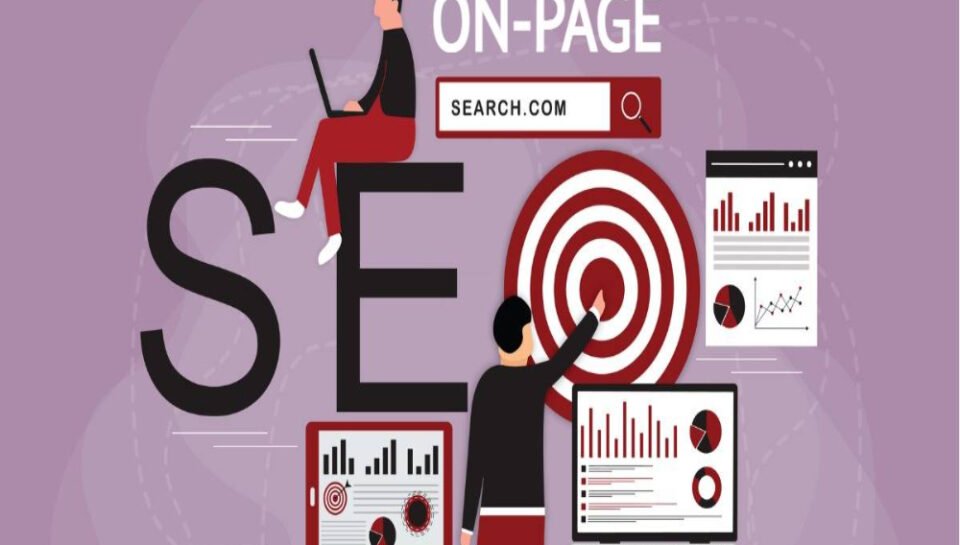
Establish on-page SEO structures suitable for Indian content
Introduction
With India’s diverse digital audience and multilingual search behavior, creating content that performs well in search engines requires a tailored approach. On-page SEO—which involves optimizing individual web pages to rank higher and earn more relevant traffic—is essential for Indian content creators, marketers, and businesses. From language targeting to cultural nuances and mobile adaptability, on-page SEO structures in India must accommodate regional preferences, varied devices, and voice-driven search patterns. A well-structured on-page SEO strategy ensures discoverability, relevance, and engagement across India’s vast and evolving digital landscape.
Crafting localized and culturally relevant title tags
Title tags are one of the most important on-page SEO elements. For Indian content, title tags should include high-volume local keywords that match user search behavior. Titles like “Best mobile phones under ₹15,000 in India” or “Top MBA colleges in Delhi 2025” resonate more with Indian users than generic alternatives. Including city names, Indian currency, or vernacular terms increases relatability and click-through rate (CTR).
Optimizing meta descriptions with intent-based language
Meta descriptions provide a brief summary of the page and influence CTR in search results. For Indian content, these should address user intent clearly—whether informational, navigational, or transactional. Adding regional references, benefit-focused phrases, and call-to-actions like “Order online in Mumbai” or “Compare fees across India” helps connect with Indian searchers. Keeping meta descriptions within 150–160 characters ensures clarity and visibility on mobile.
Structuring headers with regional relevance
Header tags (H1, H2, H3…) help organize content and signal topic hierarchy to search engines. Indian content should use header tags that reflect local context—like “H1: Top engineering colleges in Tamil Nadu” followed by “H2: Government institutions in Chennai” and “H2: Private options across Tamil Nadu.” Incorporating keywords naturally into headers supports both readability and SEO alignment.
Creating keyword-optimized content in regional and mixed languages
Indian users often search using a mix of English and local languages (e.g., Hinglish, Tanglish). Content that mirrors this pattern through bilingual or transliterated phrases performs well. Including both script-based keywords ) and Romanized terms (“sasta smartphone”) captures wider intent. However, the structure must maintain clarity, avoiding keyword stuffing while ensuring semantic relevance.
Embedding internal links to support topic clusters
Internal linking enhances navigation and distributes page authority across your site. For Indian audiences, linking to regionally grouped content clusters—such as “Top cafes in South Delhi” linking to “Romantic cafes in Hauz Khas” or “Budget eateries in Lajpat Nagar”—helps users discover more relevant pages. Clear anchor text and contextual links improve both user experience and crawlability.
Using schema markup tailored to Indian businesses and events
Schema markup allows search engines to understand content contextually. For Indian content, relevant schema types include LocalBusiness, Product, FAQ, Event, and Article. For example, using LocalBusiness schema for a Mumbai-based fitness center or Event schema for a Navratri concert in Surat enables rich results in SERPs. Including address, price range (in INR), hours, and reviews in structured data enhances local SEO.
Optimizing images with ALT text and regional identifiers
Images should be optimized for fast loading and include descriptive ALT text using Indian keywords. For instance, a photo of a saree should have ALT text like “Red Banarasi saree for wedding wear – made in Varanasi.” Use descriptive file names and compress images for mobile performance. Culturally relevant images with appropriate tags increase accessibility and keyword density.
Building mobile-first, fast-loading content pages
Most Indian users access content on smartphones. On-page structures must ensure responsiveness, quick loading, and thumb-friendly design. Use AMP (Accelerated Mobile Pages) where appropriate, compress CSS and JavaScript, and keep paragraphs short with scannable formatting. Pages with clean navigation and minimal popups retain more mobile users and satisfy Google’s mobile-first indexing standards.
Addressing regional search intent with location-based SEO
Indian searchers often look for local solutions, such as “best laptop repair in Bengaluru” or “PGs near Andheri East.” Pages targeting such queries should include neighborhood names, city-specific pricing, and language options. Adding directions, local phone numbers, and Google Maps integrations increases credibility and local ranking performance.
Using multilingual content structure and hreflang tags
For websites offering content in multiple Indian languages, setting up language-specific pages with tags ensures search engines serve the correct version based on user language preferences. For example, a tourism site may have pages in English, Hindi, and Bengali, each optimized with distinct keywords, meta tags, and structured layout, while being properly interlinked for SEO consistency.
Conclusion
Creating successful on-page SEO structures for Indian content requires a blend of technical optimization, cultural awareness, and regional targeting. From localized keywords and bilingual content to responsive mobile design and schema markup, every element should reflect the behavior, needs, and expectations of the Indian digital user. As India continues to diversify and grow online, adopting such tailored on-page SEO practices is the key to sustained visibility, engagement, and organic traffic in a competitive digital market.
Hashtags
#onpageseo #indiancontentseo #seoindia #localizedseo #hindiseo #regionalkeywords #mobilefirstseo #bilingualcontent #hreflangtags #indianlocalseo #structureddataindia #contentforindia #searchintent #indiansearchbehavior #indianmarketSEO #metatagsindia #desiSEO #headeroptimization #AMPpages #voicefriendlySEO #multilingualstrategy #internallinking #alttextoptimization #urbanseo #technicalseoindia