

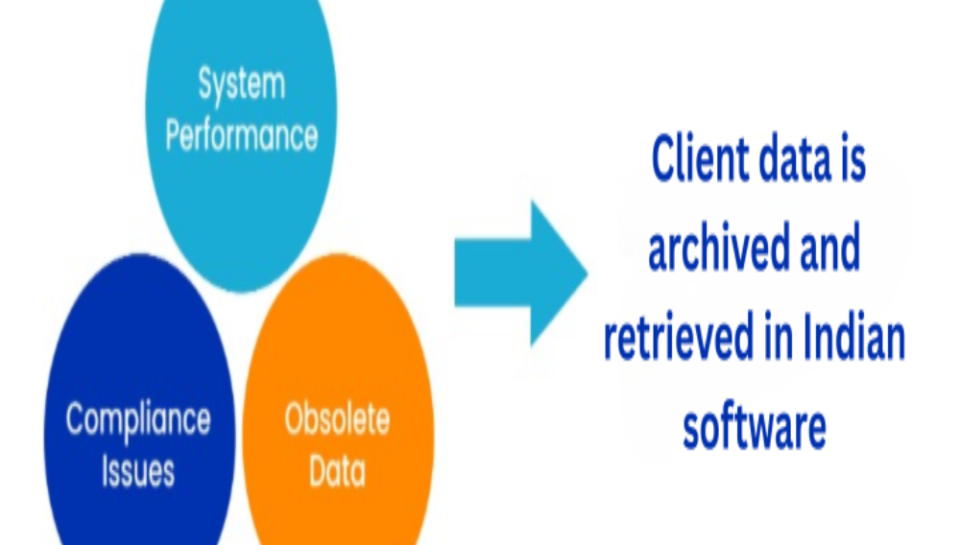
Explain how client data is archived and retrieved in Indian software
Introduction
Client data archiving and retrieval are critical components of data lifecycle management within Indian software systems, especially in sectors such as finance, healthcare, consulting, legal services, and IT. As organizations handle increasing volumes of sensitive and structured client information, archiving ensures that historical data is securely stored for future reference, compliance, or auditing, while retrieval processes enable quick access when needed. Indian software solutions have evolved to provide robust, compliant, and user-friendly features for archiving and retrieving client data, aligned with industry-specific needs and regulatory frameworks.
Automated Archiving Mechanisms
In Indian client management and planning software—such as Zoho CRM, Freshworks, Kissflow, and Clientjoy—archiving is typically automated through lifecycle rules. These rules determine when inactive or completed client records, projects, or communications are moved from the active database to an archive folder or secondary storage tier. This may be triggered by time-based conditions (e.g., six months of inactivity), status changes (e.g., project marked as “Completed”), or user-defined parameters (e.g., end of contract term).
Once archived, data is preserved in read-only format to prevent accidental modifications. This automation reduces manual data handling and ensures consistent retention practices across teams.
Structured Storage and Classification
Client data in Indian software systems is archived in a structured and indexed format. Files are organized by client ID, project code, service type, or timeline, which simplifies future retrieval. Tags and metadata—such as creation date, business category, assigned user, or document type—are automatically applied during the archiving process. This structured organization enables efficient filtering and searching when retrieving archived content.
Indian platforms like Zoho WorkDrive, Digiboxx, and GreytHR support hierarchical folder structures and taxonomies tailored for Indian businesses, facilitating orderly archival practices even for non-technical users.
Searchable Archive Interface
Archived data remains fully searchable within most Indian platforms. Users can retrieve information by using keywords, filters, or advanced search options such as date range, file type, client name, or project reference number. Platforms like TallyPrime, Microsoft SharePoint India, and LeadSquared CRM provide intuitive search tools that index archived files, emails, invoices, and communication logs for near-instant retrieval.
Search functionalities are enhanced through OCR (Optical Character Recognition) and full-text indexing, allowing users to search even within PDF documents or scanned forms commonly used in Indian business documentation.
Access Control and Audit Logs
Archived client data is often sensitive and is therefore protected by strict access controls. Indian software solutions offer role-based permissions to define who can view, retrieve, or restore archived records. Audit logs are maintained to track every access, download, or restoration attempt—providing transparency and accountability in handling archived data. This is especially important for sectors under regulatory scrutiny such as BFSI (Banking, Financial Services, and Insurance) and healthcare.
Data Retrieval and Restoration
Retrieving archived data is a straightforward process in Indian software tools. With appropriate access, users can retrieve individual records, download full datasets, or even restore an entire client profile to active status for further engagement. This restoration can be done with a single click or through API calls in enterprise systems. Restored data becomes editable again and reintegrates with live workflows without disrupting the structure of active records.
For example, if a past client returns for new services, a sales or service team in India can retrieve their historical account, contracts, and preferences within minutes—enabling informed re-engagement and personalized service.
Backup Integration and Offline Storage
Many Indian platforms integrate with cloud backup services and offer options to export archived data to external drives, secure servers, or regulatory backup systems. For firms requiring offline records—such as those operating under RBI, SEBI, or MCA rules—data can be exported in formats like CSV, PDF, or XML for legal archiving. This dual storage option ensures business continuity and legal preparedness in case of platform outages or audits.
Compliance with Indian Legal Requirements
Archiving client data in India is often governed by laws such as the Information Technology Act, 2000, GST Act, and industry-specific guidelines from IRDAI, RBI, and SEBI. Indian software vendors build compliance features into their archiving tools, including predefined retention timelines, legal hold functionalities, and evidence-ready storage formats. Some solutions also support automatic purging of data after the legally mandated retention period, reducing storage costs while remaining compliant.
Conclusion
Client data archiving and retrieval in Indian software systems is a mature, secure, and compliant process designed to meet the operational and regulatory demands of diverse industries. From automated lifecycle management and structured classification to real-time search and secure restoration, these features empower businesses to manage client records efficiently across their full lifespan. As Indian enterprises scale and data volumes increase, robust archiving and retrieval capabilities will remain critical for continuity, compliance, and sustained client trust.
Hashtags
#ClientData #DataArchiving #DataRetrieval #IndianSoftware #SoftwareDevelopment #DataManagement #DataSecurity #TechInIndia #SoftwareSolutions #DataStorage #InformationTechnology #DataBackup #DigitalArchiving #DataAnalytics #SoftwareEngineering #CloudStorage #DataCompliance #DataGovernance #ITInfrastructure #TechTrends