

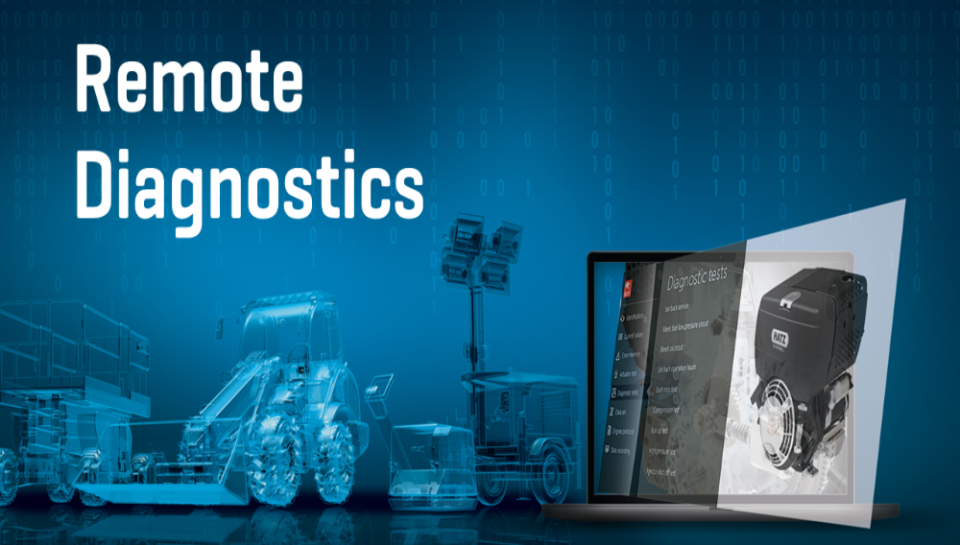
Explain how in-person support complements remote diagnostics
Introduction
In the evolving landscape of technical support and field services, the integration of in-person assistance with remote diagnostics has become a defining approach for delivering comprehensive and efficient service. While remote tools offer speed, scalability, and convenience, they are not a complete substitute for on-site human intervention. In-person support complements remote diagnostics by addressing limitations that digital tools alone cannot resolve, enhancing the accuracy of issue resolution, and improving the overall customer experience. Together, they create a hybrid model that maximizes efficiency while ensuring precision and personal engagement.
Bridging the gap between digital insights and physical reality
Remote diagnostics provide valuable data about system health, error codes, and performance metrics. However, these insights are limited to what sensors and monitoring tools can detect. In-person support steps in to interpret this data within the real-world context. A technician on-site can observe environmental conditions, user behavior, and physical setup—factors that often escape digital tools. This direct observation allows for a more holistic understanding of the issue and leads to a more accurate resolution.
Resolving issues beyond digital reach
There are scenarios where remote diagnostics identify a problem but cannot physically address it. Hardware replacements, cable adjustments, alignment tasks, and cleaning sensitive components all require human hands. In-person support complements the remote diagnosis by executing the necessary physical tasks, ensuring that the identified issue is fully resolved. Without this step, diagnostic accuracy might not translate into functional recovery.
Validating remote findings through field verification
Field technicians often use in-person visits to verify the results of remote assessments. They cross-check error logs, examine physical connections, and validate software readings with hands-on tests. This verification step is critical when system anomalies are intermittent or when multiple causes are suspected. In-person support thus strengthens the confidence in remote findings and eliminates false positives or overlooked issues.
Enhancing customer reassurance and trust
Customers frequently associate in-person service with greater care and seriousness. Even when remote diagnostics provide clear answers, the physical presence of a technician can reassure clients that their concerns are being taken seriously. In high-stakes environments, such as medical facilities or manufacturing plants, this reassurance is invaluable. Face-to-face interaction fosters trust, provides an opportunity for direct communication, and demonstrates a company’s commitment to thorough support.
Facilitating training and knowledge transfer
On-site visits allow support technicians to guide customers through proper usage, maintenance procedures, and best practices. While some of this can be conveyed remotely, in-person demonstrations are often more effective, especially for complex or unfamiliar equipment. This knowledge transfer helps prevent future issues and empowers the client to manage minor problems independently, enhancing the overall value of the service.
Supporting complex installations and configurations
Certain support scenarios involve intricate system setups or integrations with other devices. These tasks often require precise calibration, alignment, or synchronization, which are difficult or impossible to perform remotely. In-person support enables technicians to manage these complexities with hands-on precision, ensuring that the installation is not only complete but also optimized for the customer’s unique environment.
Closing the service loop with final quality checks
After a remote fix or software update, in-person technicians can perform final quality assurance checks to confirm that all systems are operating as expected. This step is especially useful when customer feedback is inconclusive or when subtle issues might remain undetected by remote tools. These manual inspections provide an added layer of quality control and reinforce the integrity of the service process.
Adapting quickly to unexpected complications
Field conditions often present unforeseen challenges such as damaged infrastructure, interference from other equipment, or incorrect installations. In such cases, remote support teams may not have enough context or capability to adjust the plan dynamically. In-person support provides the flexibility to assess and respond to these complications in real time, improvising as needed to ensure problem resolution.
Strengthening cross-functional collaboration
The synergy between remote diagnostics and on-site support fosters collaboration between help desk teams, engineers, and field personnel. Remote teams can pre-diagnose and plan interventions, while field teams execute with clarity and context. This coordinated effort leads to faster service delivery, better use of resources, and improved accuracy, as each team brings its strengths to bear on the problem.
Conclusion
In-person support plays a vital role in complementing remote diagnostics, bringing human intuition, physical capability, and emotional intelligence into the service experience. While digital tools offer speed and scalability, they are most powerful when paired with the tangible presence and expertise of field technicians. Together, they create a complete and responsive support model that delivers efficiency, reliability, and high customer satisfaction. This hybrid approach ensures that no issue is too complex or context-dependent to be resolved, setting a new standard for excellence in technical service.
Hashtags
#InPersonSupport #RemoteDiagnostics #HealthcareInnovation #PatientCare #Telehealth #HybridHealthcare #MedicalSupport #DigitalHealth #PatientExperience #HealthcareCollaboration #Telemedicine #OnsiteCare #VirtualCare #HealthTech #PatientEngagement #RemoteMonitoring #HealthcareSolutions #WellnessJourney #CareContinuity #HealthSupport