Explain the lifecycle of a cybersecurity audit for startups.
Introduction
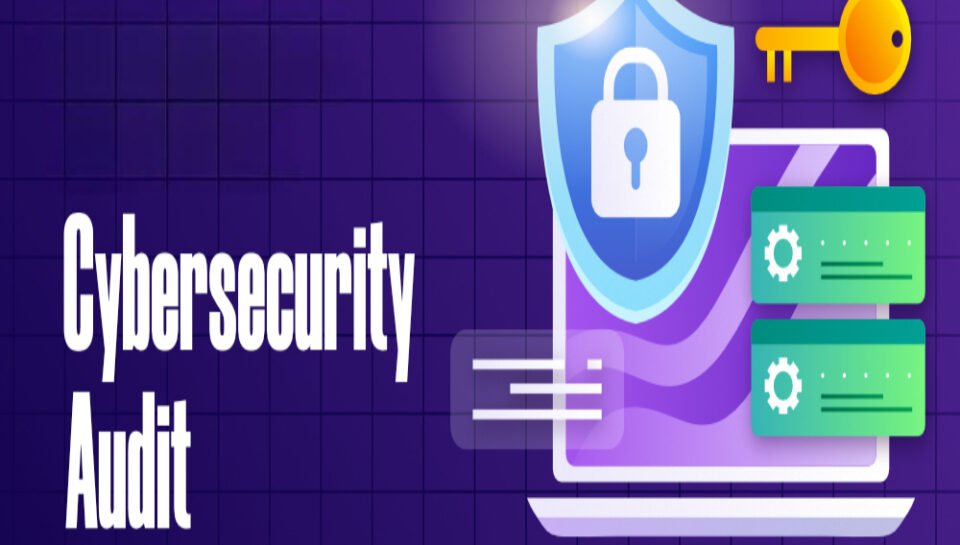
In today’s data-driven startup ecosystem, cybersecurity is no longer an afterthought—it is a business imperative. As startups scale their operations and expand their digital footprint, the potential for cyber threats increases exponentially. A cybersecurity audit provides a structured way to evaluate an organization’s defense mechanisms, policies, and readiness to respond to digital risks. For startups that may lack mature security systems, the audit serves as both a diagnostic and a strategic guide. Understanding the lifecycle of a cybersecurity audit enables founders and teams to approach security with clarity, discipline, and a commitment to continuous improvement.
Establishing Scope and Planning the Audit
The lifecycle of a cybersecurity audit begins with a deliberate planning phase. This step involves defining the audit’s goals, whether the focus is on compliance, risk reduction, or system optimization. The startup must outline which systems, applications, departments, and data sets will be included. This also means identifying any specific regulations such as GDPR or HIPAA that the startup must meet. During this stage, roles are assigned, timelines are set, and communication channels are established. The clarity achieved in this foundational phase ensures that the audit will proceed with structure and relevance.
Gathering Information and Reviewing Security Documentation
Once the audit is planned, the next phase focuses on gathering detailed information about the startup’s technology environment and cybersecurity policies. Auditors or internal security leads examine system configurations, access controls, incident response procedures, encryption methods, and employee awareness programs. The goal here is to understand the current cybersecurity landscape within the organization, including how closely real-world practices align with documented protocols. This review provides a baseline for identifying strengths and areas needing improvement.
Assessing Risks and Identifying Vulnerabilities
With documentation in place, the audit moves into evaluating risks and pinpointing vulnerabilities. This step includes analyzing potential internal and external threats that could impact systems, data, and business continuity. Techniques such as vulnerability scanning or simulated attacks may be employed to uncover weaknesses in software, network settings, or user behaviors. The goal is to assess both the likelihood and the potential impact of various risk scenarios. For a startup, this phase is particularly critical, as it helps prioritize resources toward the most pressing security threats.
Testing Controls and Validating Security Measures
Once risks are identified, the audit continues with a thorough assessment of existing security controls. These controls might include firewalls, password policies, data encryption, endpoint protections, and physical security measures. The auditor tests whether these controls are active, effective, and sufficient to mitigate the identified risks. Validation is essential, as some controls may exist on paper but fail in execution. This step often involves observing systems in action or conducting specific tests to ensure that protective mechanisms are working as intended.
Reporting Findings and Recommending Improvements
After analyzing risks and testing controls, the audit team compiles its findings into a structured report. This report presents a detailed overview of current cybersecurity performance, highlights gaps or failures, and offers specific, actionable recommendations. The tone of the report is both diagnostic and forward-looking. For a startup, the value of this phase lies in its ability to inform better decision-making. Whether it’s tightening access protocols, investing in new tools, or training staff, the recommendations become a roadmap for strengthening the security framework.
Implementing Remediation and Enhancing Defenses
Following the delivery of the audit report, the startup must take steps to address the highlighted issues. This phase involves developing a remediation plan that prioritizes improvements based on urgency and impact. Teams may patch vulnerabilities, upgrade outdated software, revise security policies, or conduct staff training to address knowledge gaps. Effective remediation transforms the audit from a static evaluation into a dynamic opportunity for operational improvement and risk reduction.
Monitoring Progress and Conducting Follow-up Reviews
The final stage in the audit lifecycle involves setting up mechanisms for ongoing monitoring and periodic review. Security is not a one-time exercise, especially for startups experiencing rapid growth or frequent system changes. By continuously monitoring threats, tracking compliance, and revisiting audit recommendations, the startup ensures that cybersecurity evolves alongside its business. Scheduled follow-up audits or mini-assessments can help maintain vigilance and reinforce a culture of accountability.
Conclusion
The lifecycle of a cybersecurity audit offers startups a structured path to understand, evaluate, and strengthen their digital defenses. From planning and information gathering to risk assessment, control testing, and remediation, each phase contributes to a deeper awareness of cybersecurity posture. For startups operating in an unpredictable threat landscape, embracing the audit process is more than a safeguard—it is a strategic advantage. By embedding audit cycles into their operational rhythm, startups can cultivate trust, secure their innovation, and grow with confidence in an increasingly connected world.
Hashtags
#CybersecurityAudit #StartupSecurity #AuditLifecycle #CybersecurityForStartups #RiskAssessment #DataProtection #ComplianceCheck #SecurityBestPractices #VulnerabilityAssessment #ThreatMitigation #CyberRiskManagement #StartupGrowth #InformationSecurity #CyberAwareness #TechStartups #SecurityFramework #AuditProcess #BusinessContinuity #CyberDefense #StartupSuccess