

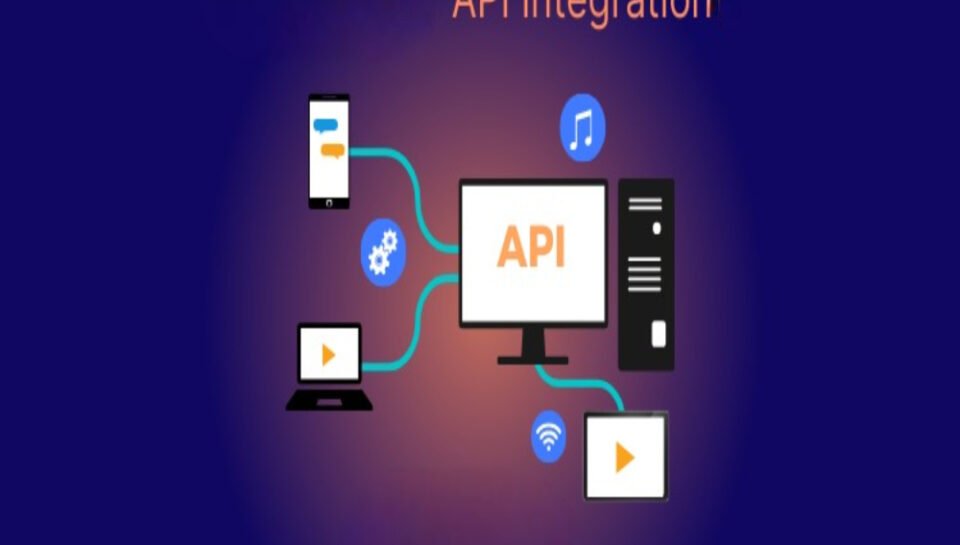
How are APIs and integrations handled during application re-design?
Assessment of Existing Integrations
- Current APIs and integration points are reviewed for compatibility and performance.
- Redundant or outdated interfaces are identified for removal or replacement.
- Data flow and dependency mapping is conducted to understand system interactions.
- Integration failures, delays, and errors are analyzed to guide improvements.
- Business-critical connections are prioritized in redesign planning.
Design of API Architecture
- RESTful or event-driven models are selected based on scalability and use cases.
- Endpoint structures are defined to reflect modular and reusable patterns.
- Security protocols such as authentication, authorization, and encryption are integrated.
- Versioning strategies are applied to maintain backward compatibility.
- Rate limiting and throttling policies are introduced for traffic control.
Data Mapping and Transformation
- Field-level data mapping ensures format and type consistency across systems.
- Transformation rules are applied to align legacy data structures with new models.
- Validation logic is added to ensure clean and accurate data exchange.
- Error handling rules define fallback or corrective actions for mismatches.
- API contracts document inputs, outputs, and expected responses.
Testing and Validation
- Unit tests are written for each endpoint to verify logic and output.
- Mock services simulate external systems for integration testing.
- Load tests confirm that APIs meet performance expectations under demand.
- Security tests assess exposure to unauthorized access or data leakage.
- Integration scenarios validate real-world functionality across system boundaries.
Deployment and Monitoring
- APIs are deployed in phases with sandbox environments for safe adoption.
- Logging captures usage patterns, failures, and latency for analysis.
- Monitoring tools track uptime, response codes, and performance metrics.
- Alerts are configured for unexpected behavior or integration disruption.
- Documentation is updated for support teams and external partners.