

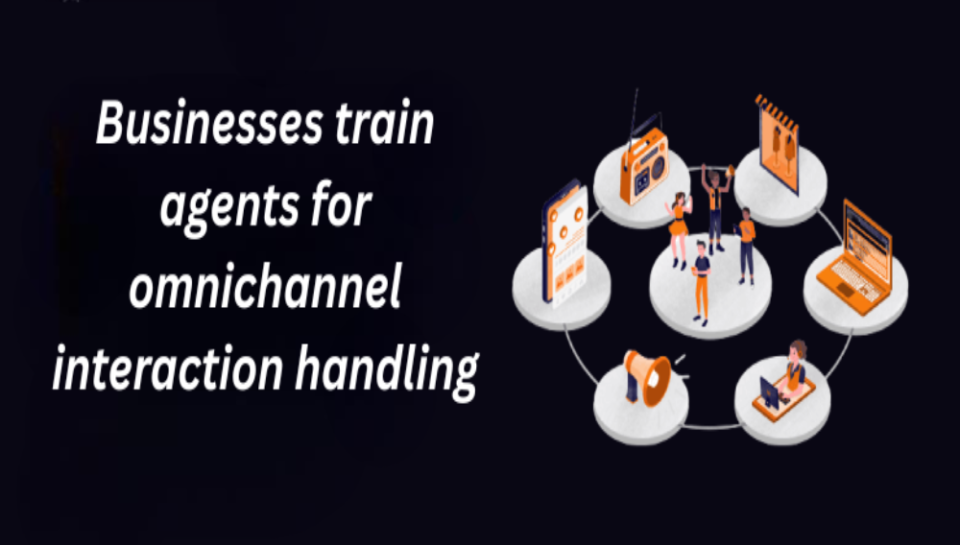
How do businesses train agents for omnichannel interaction handling?
Comprehensive Channel Training
- Educate agents on the features and expectations of each communication channel.
- Train on voice, email, live chat, messaging, and social media platforms.
- Emphasize tone adjustments for written vs. spoken communication.
- Provide guidance on multitasking and real-time interactions.
- Simulate scenarios to build confidence across all touchpoints.
Unified Platform and Tool Familiarization
- Train agents to use integrated dashboards and CRMs.
- Demonstrate how to access and update unified customer profiles.
- Teach navigation between channels without losing context.
- Ensure familiarity with automation tools like chatbots and ticketing systems.
- Highlight how to track and manage omnichannel workflows.
Customer Service and Soft Skills Development
- Focus on empathy, active listening, and clear communication.
- Adapt service tone to fit each channel’s characteristics.
- Reinforce professionalism, patience, and cultural sensitivity.
- Promote customer-first thinking regardless of platform used.
- Encourage relationship building through consistency and care.
Issue Resolution and Escalation Handling
- Teach how to resolve issues across multiple channels efficiently.
- Define escalation rules for transferring complex queries.
- Use decision trees or scripts to maintain consistency.
- Ensure agents know how to follow up on unresolved cases.
- Monitor escalation success rates for continuous learning.
Performance Monitoring and Continuous Feedback
- Track agent performance using omnichannel metrics.
- Provide regular coaching based on interaction reviews.
- Use recordings, transcripts, and reports for training feedback.
- Encourage peer learning and cross-team collaboration.
- Update training material based on system upgrades and customer trends.