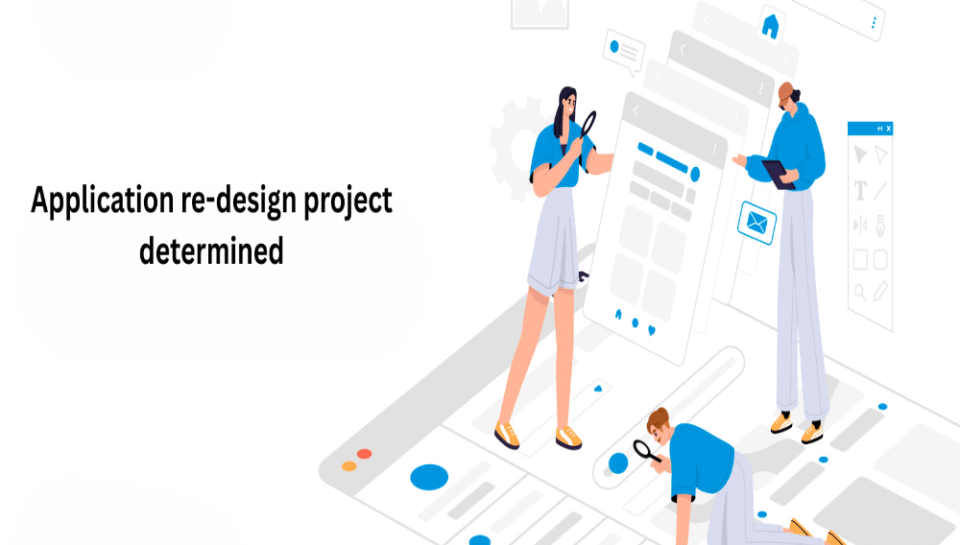
How is the scope of an application re-design project determined?
Business Goals and Objectives
- Strategic goals are analyzed to align the re-design with business priorities.
- Performance expectations are reviewed to define necessary improvements.
- Functional gaps in the existing system guide the scope of new features.
- Stakeholder input is collected to understand critical use cases and pain points.
- Business continuity needs are factored into the re-design timeline and outcomes.
Technical Assessment and Architecture Review
- The current architecture is evaluated for limitations and compatibility issues.
- Obsolete technologies are identified for replacement or upgrade.
- System scalability, reliability, and maintainability are reviewed.
- Integration points with other platforms are mapped for redesign considerations.
- Technical constraints and opportunities shape the redesign structure.
User Experience and Interface Requirements
- User feedback is collected to identify navigation, accessibility, and usability concerns.
- Personas and workflows are analyzed to define new interaction patterns.
- Interface standards and branding guidelines are reviewed for consistency.
- Mobile, desktop, and cross-platform expectations influence scope decisions.
- User testing insights inform feature adjustments and layout improvements.
Compliance, Security, and Performance Needs
- Compliance standards determine data handling and privacy requirements.
- Security vulnerabilities influence the inclusion of new protection mechanisms.
- Application speed, uptime, and resource usage targets guide technical scope.
- Auditing and logging features may be scoped for enhanced transparency.
- Policy and regulatory changes may require restructured data and access controls.
Project Constraints and Resource Planning
- Budget availability influences the depth and breadth of redesign activities.
- Resource capacity is assessed to determine in-house versus external support.
- Timelines are reviewed to prioritize phases and avoid disruption.
- Existing documentation and legacy knowledge inform planning efforts.
- Risks, dependencies, and fallback plans are defined to support project control.