

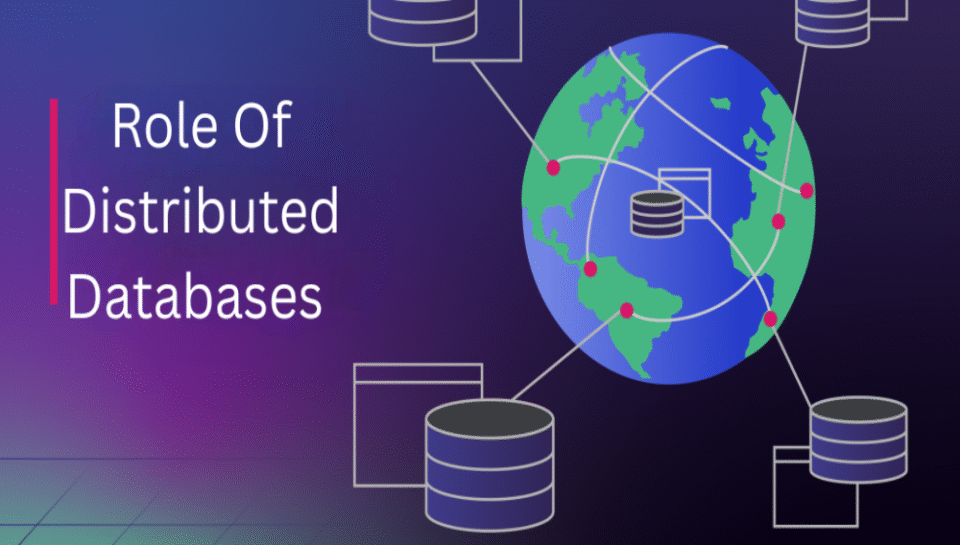
Introduce the role of distributed databases in global startup operations.
Introduction
As startups increasingly launch products and services on a global scale from their earliest stages, the need for a backend infrastructure that matches this international ambition becomes critical. Traditional centralized databases often struggle to deliver the speed, availability, and scalability required across regions. Distributed databases have emerged as a key enabler of global startup operations, offering a decentralized architecture that allows data to be stored and accessed across multiple locations. This design ensures that startups can deliver faster, more reliable services to users worldwide while maintaining operational continuity and scalability.
Supporting Global Accessibility and Low Latency
One of the primary advantages of distributed databases is their ability to reduce latency by locating data closer to the end users. When a customer in Asia accesses an application hosted in the United States, centralized databases can cause noticeable delays due to the geographic distance. Distributed systems solve this by replicating data across multiple data centers worldwide, allowing users to interact with nearby nodes and experience faster response times. This proximity boosts the performance of customer-facing applications, creating a smoother, more responsive user experience that is crucial for retention and satisfaction in competitive markets.
Enhancing Availability and Fault Tolerance
In global startup operations, ensuring uninterrupted service is a top priority. Distributed databases are built to maintain high availability, even in the face of server outages, network failures, or regional disruptions. Through data replication and automatic failover mechanisms, these systems provide resilience that centralized databases often lack. If one data center goes offline, traffic can be rerouted to another operational node, preserving access and preventing data loss. This capability is especially important for startups offering 24/7 services to users across time zones, where downtime could mean lost revenue or user churn.
Enabling Scalability Across Markets
Startups that expand rapidly into new regions need infrastructure that scales just as quickly. Distributed databases offer horizontal scalability, meaning new nodes can be added to the system as demand increases without significantly altering the architecture. This elastic growth model allows startups to accommodate increasing user loads, data volumes, and application complexity. Whether launching in a single country or across multiple continents, startups can scale operations seamlessly without the constraints of traditional systems.
Facilitating Regulatory Compliance and Data Localization
As startups enter global markets, they must comply with diverse regulatory environments that govern how data is stored, processed, and transferred. Distributed databases support data localization by allowing sensitive information to be stored in specific regions, aligning with laws such as GDPR in the European Union or data residency requirements in countries like India and Brazil. This flexibility ensures startups can remain compliant while still delivering services globally, avoiding legal complications that could hinder expansion.
Improving Developer Agility and Operational Efficiency
Distributed databases often come with tools and features that enhance developer productivity and operational flexibility. Built-in replication, failover, and multi-region configuration reduce the need for complex manual setups. Many systems also offer native integration with cloud platforms, enabling startups to automate scaling, manage configurations through APIs, and deploy changes faster. This agility allows development teams to focus on building features and entering markets rather than dealing with infrastructure challenges.
Conclusion
Distributed databases play a pivotal role in enabling startups to operate and scale on a global stage. By offering low latency, high availability, seamless scalability, and regulatory flexibility, they provide the technical foundation for delivering reliable and performant user experiences across regions. For startups aiming to expand internationally, a distributed database is not merely a backend choice—it is a strategic asset that supports growth, resilience, and global competitiveness from day one.
Hashtags
#DistributedDatabases #GlobalStartups #TechInnovation #DatabaseManagement #StartupOperations #CloudComputing #DataArchitecture #ScalableSolutions #BusinessGrowth #TechForStartups #DataDriven #Entrepreneurship #DigitalTransformation #RemoteWork #DataSecurity #AgileDevelopment #TechTrends #StartupEcosystem #GlobalBusiness #FutureOfWork