

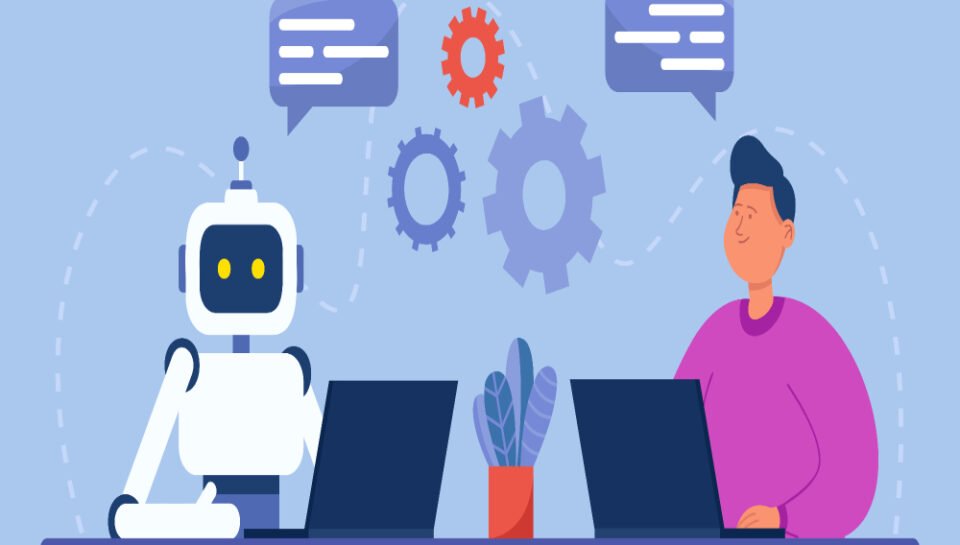
Introduction to hybrid support models combining automation and human agents
Introduction
As digital transformation reshapes customer service, businesses are increasingly adopting hybrid support models that combine the speed and efficiency of automation with the empathy and flexibility of human agents. This approach acknowledges that while automation can handle a significant portion of customer interactions with consistency and immediacy, there are still many situations that require human understanding, critical thinking, and emotional intelligence. A hybrid model blends both capabilities to deliver seamless, scalable, and customer-centric support experiences. Especially in high-growth industries or service-intensive sectors, this model enables companies to meet rising customer expectations without compromising service quality or operational efficiency.
Balancing Efficiency with Human Empathy
Automation tools such as chatbots, self-service portals, and IVR systems excel at handling routine tasks like answering FAQs, processing orders, or updating account information. These tools offer 24/7 availability and reduce wait times, creating efficiency for both users and businesses. However, not all customer issues are straightforward. Complex queries, emotionally sensitive topics, or requests requiring contextual judgment often exceed the capacity of AI. Human agents fill this gap with their ability to understand tone, empathize with frustration, and adapt to nuance—providing support where automation reaches its limit.
Tiered Support Structure
One of the most effective ways to implement a hybrid model is through a tiered support structure. Automation handles the first tier by addressing basic issues and routing inquiries. If a question cannot be resolved within pre-defined workflows, it escalates to a human agent. This not only ensures quick resolution for simple tasks but also guarantees that customers receive thoughtful assistance when the situation demands it. The result is a streamlined experience that respects both the customer’s time and emotional needs.
Scalable Growth for Expanding Businesses
Hybrid models are particularly advantageous for growing businesses that experience fluctuating support volumes. Automation can absorb surges in customer inquiries during product launches, seasonal promotions, or system outages—without the need to rapidly scale headcount. Meanwhile, human agents can be reserved for escalations, priority accounts, or high-value interactions. This balance ensures consistent service quality even as the organization grows and customer demand increases.
Improving First Contact Resolution
By combining automated tools with human expertise, businesses increase the chances of resolving issues on the first contact. A well-trained chatbot might resolve the majority of inquiries independently, while also collecting essential information to pass on to an agent if escalation is needed. When human agents receive this pre-qualified context, they can resolve cases faster and more effectively, leading to better first contact resolution rates and improved customer satisfaction.
Data Sharing Between Bots and Agents
A key element of hybrid support is the seamless flow of information between automated tools and human agents. When a chatbot interacts with a customer, it should gather information like issue category, urgency level, and relevant history. If the case is escalated, this data must be transferred in full to the live agent to avoid redundant questioning and ensure continuity. Unified systems and CRM integration are critical to making this hand-off smooth and productive.
Personalized Customer Experiences
Hybrid models allow businesses to personalize customer interactions at scale. Automation tools can greet users by name, recall their history, and offer relevant content or actions. If personalization reaches a limit, the system routes the customer to a human agent already briefed with this data. This fluid blend of AI and human support results in highly personalized experiences that make customers feel seen, heard, and valued throughout their journey.
Operational Cost Optimization
While human-led support is vital for quality, it is also resource-intensive. Hybrid models reduce operational costs by delegating high-volume, low-complexity tasks to automation, allowing human agents to focus on high-impact service areas. Businesses can manage support budgets more effectively, using automation to extend their service hours, reduce staffing pressures, and increase overall throughput—all without compromising on customer experience.
24/7 Availability with Human Fallback
One of the most important features of hybrid support is its ability to offer round-the-clock assistance. Automated tools can serve customers at any hour, handling inquiries outside normal business operations. In cases where automation falls short, customers can be offered the option to schedule a call, leave a message for a human callback, or be routed to an on-call agent. This blend of availability and human reassurance reinforces reliability and trust in the brand.
Training and Continuous Improvement
Hybrid support models provide valuable feedback loops. Automated systems generate insights from user interactions, which can inform agent training programs. Likewise, insights from human-handled cases can improve bot decision trees and response accuracy. This mutual learning cycle ensures that both components of the support model evolve together, delivering increasingly effective and intuitive service over time.
Future-Proofing Customer Service
As technology advances and customer behavior continues to shift, hybrid support offers the agility to adapt. New AI capabilities, improved sentiment analysis, and smarter automation tools can be integrated into the system without replacing human roles. This makes the hybrid model future-proof—it’s not about choosing between bots or humans, but about leveraging the strengths of both to meet evolving expectations.
Conclusion
Hybrid support models represent the future of customer service by combining the reliability and speed of automation with the human insight necessary for complex or emotional issues. For growing businesses, this model offers scalability, cost efficiency, and a superior customer experience. By strategically integrating automation tools with live agent support, organizations can create service ecosystems that are not only efficient but also deeply empathetic and personalized. This dynamic approach empowers companies to meet modern demands while staying true to the timeless principle that exceptional customer support begins with understanding and care.
Hashtags
#HybridSupport #Automation #HumanAgents #CustomerService #TechInnovation #SupportModels #AIandHumans #CustomerExperience #DigitalTransformation #ServiceExcellence #SupportSolutions #FutureOfSupport #TechTrends #BusinessEfficiency #CustomerSatisfaction #AIinSupport #OmniChannelSupport #SmartSupport #WorkplaceInnovation #CustomerEngagement