

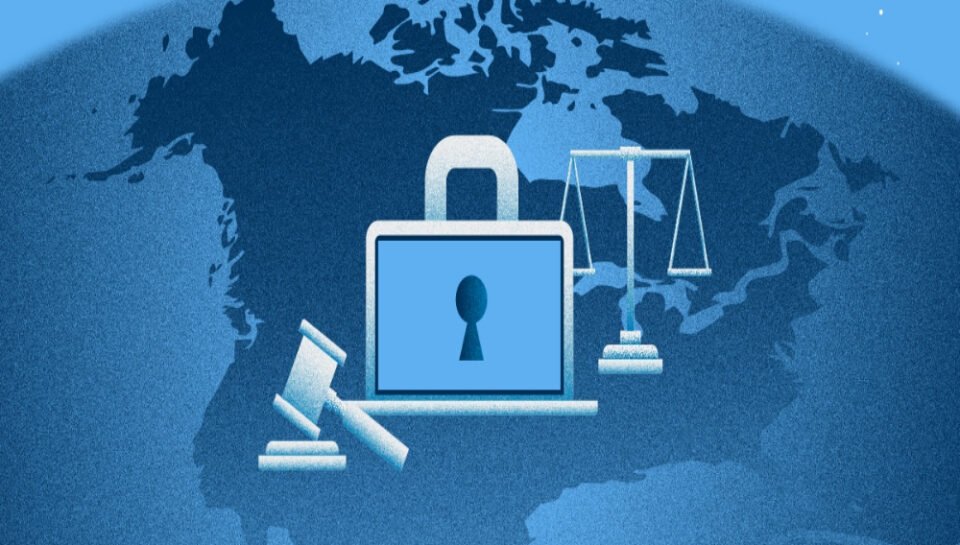
Summarize the Legal and Data Privacy Aspects of CRM in India
Introduction
As businesses in India increasingly adopt Customer Relationship Management (CRM) systems to manage customer data and personalize interactions, legal and data privacy considerations have gained immense importance. CRM platforms store sensitive customer information such as contact details, financial transactions, communication histories, and personal preferences. This data, if mishandled or misused, can lead to reputational damage, legal penalties, and loss of customer trust. India’s evolving regulatory environment is steadily introducing frameworks that mandate responsible data handling. Understanding and implementing legal and data privacy best practices is crucial for Indian businesses using CRM systems, especially in sectors such as e-commerce, banking, healthcare, and education.
Data protection under Indian law
The cornerstone of data privacy regulation in India is the Digital Personal Data Protection Act, 2023 (DPDP Act). This landmark legislation governs the processing of personal data by Indian entities and foreign firms operating in India. It emphasizes principles such as purpose limitation, data minimization, consent-based processing, and storage limitations. For CRM users, this means customer data must only be collected for legitimate, disclosed purposes, and retained only as long as necessary. CRM configurations must therefore include consent-tracking features, privacy notices, and data deletion protocols in line with the law.
Consent management and lawful data collection
Under the DPDP Act, explicit consent is required from customers before collecting or processing their personal data. CRM systems must incorporate consent-tracking mechanisms that allow businesses to record when and how consent was obtained. Forms used in lead generation—whether on websites, mobile apps, or social media—must clearly explain what data is being collected, for what purpose, and provide users with an option to accept or decline. In sectors like telecom, edtech, and financial services, failure to manage consent correctly can result in regulatory scrutiny and customer complaints.
Purpose limitation and data usage control
A key principle under Indian data privacy law is purpose limitation, which means businesses must only use customer data for the specific reasons for which consent was obtained. CRM systems in India must be configured to restrict access to customer data based on roles and functions. For example, marketing teams should not access financial data unless explicitly required and approved. Additionally, data collected for lead nurturing cannot be reused for third-party promotional activities without renewed consent. Clear internal data governance rules and CRM access controls are essential to comply with this requirement.
Right to data access and correction
Indian customers have a right to access the personal data held by businesses and request corrections if the information is inaccurate. CRM platforms must therefore offer easy ways to retrieve, view, and update customer records upon request. Organizations should implement ticketing workflows within CRM to respond to such data access or correction requests in a timely manner. In highly regulated sectors such as insurance or healthcare, failure to respond within legal timeframes can lead to penalties and compliance audits.
Right to data erasure and withdrawal of consent
The DPDP Act grants Indian users the right to data erasure, allowing them to request the deletion of their personal data when it is no longer needed or when consent is withdrawn. CRM software must enable the deletion or anonymization of customer records without affecting overall system performance. Businesses should also maintain logs to demonstrate compliance in the event of an audit. It is critical for Indian firms to establish a well-defined data retention policy and map out how data flows into and out of CRM systems.
Data localization and cross-border transfer
While the DPDP Act permits cross-border data transfer to countries and territories that meet certain privacy standards, the Indian government holds the authority to restrict such transfers. Indian companies using foreign CRM platforms must ensure that customer data is stored and processed in data centers approved for cross-border compliance or have localized instances within India. Popular CRM providers like Zoho and Salesforce have already responded by offering India-based data centers to meet regulatory expectations. Businesses should review their vendor contracts to ensure compliance with data transfer provisions.
Security safeguards and breach notification
Indian law requires companies to implement appropriate technical and organizational measures to prevent unauthorized access, leaks, or breaches of personal data. CRM systems must offer secure login protocols, encryption of stored and transmitted data, and regular access audits. In the event of a data breach, the entity must report the incident to the Data Protection Board of India and inform affected users promptly. Indian firms should have incident response plans and CRM-integrated breach detection tools to manage such situations effectively.
Vendor accountability and third-party integration
Many Indian businesses use third-party integrations with CRM systems—such as email marketing tools, payment gateways, chatbots, or analytics software. Under the DPDP Act, the data fiduciary (the business) is responsible for ensuring that its vendors also comply with applicable privacy norms. Contracts with third-party service providers must include data protection clauses, and companies should periodically audit vendor performance. CRM users must be aware of how data flows across systems and implement access limits to avoid exposure through integrated tools.
Employee training and internal compliance
A major aspect of CRM-related data privacy is internal governance. Employees handling CRM platforms must be trained in data privacy principles, consent handling, and secure data practices. Indian organizations must establish data privacy policies and ensure that CRM usage complies with those policies across departments. Tools like CRM usage logs, internal audits, and access history reports help track compliance. A data protection officer (DPO), though not mandatory for all, can help oversee compliance in larger firms.
Evolving regulatory landscape and future outlook
India’s privacy regulations are evolving, with increased attention from lawmakers and consumers alike. Regulatory bodies such as the Reserve Bank of India (RBI), Telecom Regulatory Authority of India (TRAI), and sector-specific watchdogs are adding privacy mandates that overlap with CRM usage. With growing digitization, Indian companies must stay agile, ensuring that their CRM implementations can adapt quickly to legal updates. Features like dynamic consent management, AI-based anomaly detection, and audit-friendly reporting are expected to become standard in Indian CRM deployments.
Conclusion
Legal and data privacy aspects of CRM in India are becoming increasingly significant as businesses digitize operations and customers demand greater transparency and control over their data. The Digital Personal Data Protection Act, 2023 has laid a clear legal foundation that every Indian organization using CRM must respect. From consent management and data retention to cross-border transfers and breach notifications, CRM systems must be equipped with features that ensure compliance and uphold trust. For Indian firms, investing in privacy-compliant CRM customization, staff training, and governance frameworks is not just a legal necessity but a competitive advantage in the customer-first era.
Hashtags
#CRMIndia #DataPrivacyIndia #DPDPAct2023 #CRMCompliance #CRMcustomization #DigitalPrivacyIndia #CRMstrategyIndia #CustomerDataProtection #IndianCRMsystems #CRMsecurity #DataProtectionIndia #ConsentManagement #CRMlegalIndia #DataLocalizationIndia #CRMgovernance #IndianPrivacyLaws #CRMtoolsIndia #CustomerRightsIndia #DataSecurityCRM #ComplianceReadyCRM #CRMandLawIndia #DigitalCRMIndia #IndianBusinessCompliance #CRMbestPracticesIndia #PrivacyFirstCRM