

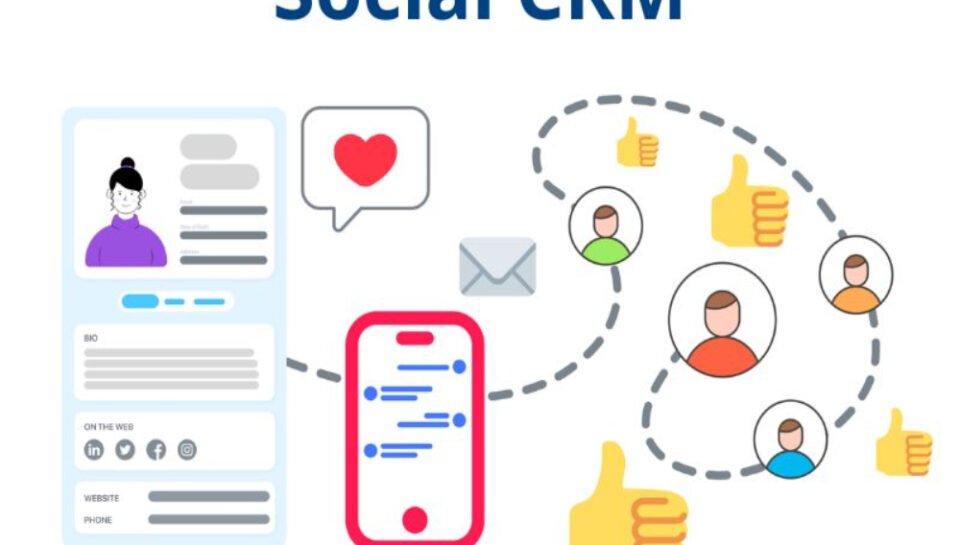
What is social CRM and how does it integrate with customer support?
Definition and Core Function
- Social CRM (Customer Relationship Management) combines traditional CRM with social media interactions.
- It tracks, manages, and analyzes customer engagement on social platforms.
- Allows businesses to build relationships through social listening and engagement.
- Stores social media data alongside contact, purchase, and support histories.
- Enhances communication by linking social behavior with support actions.
Integration with Support Channels
- Connects social messages, comments, and mentions to the main CRM database.
- Enables support teams to respond to social queries within the CRM interface.
- Converts social interactions into support tickets or follow-ups.
- Offers real-time access to social conversations during service tasks.
- Supports multi-channel coordination from a single platform.
Customer Data Enrichment
- Aggregates customer profiles with social preferences and behavior.
- Tracks public feedback, sentiment, and brand interactions.
- Adds context to service interactions using social history.
- Helps personalize support based on recent posts or concerns.
- Enhances segmentation for tailored service and follow-up.
Improved Response and Resolution Management
- Prioritizes social issues based on sentiment and urgency.
- Supports proactive outreach and real-time engagement.
- Automates assignment and tagging of social support tasks.
- Reduces response time with AI-assisted message handling.
- Enables complete interaction tracking across all customer touchpoints.
Business Insights and Relationship Building
- Provides analytics on social engagement and support trends.
- Identifies influencers and loyal customers through interaction history.
- Supports campaign feedback collection and brand reputation tracking.
- Builds community engagement by aligning service with social strategy.
- Encourages long-term loyalty through personalized, platform-aware support.