

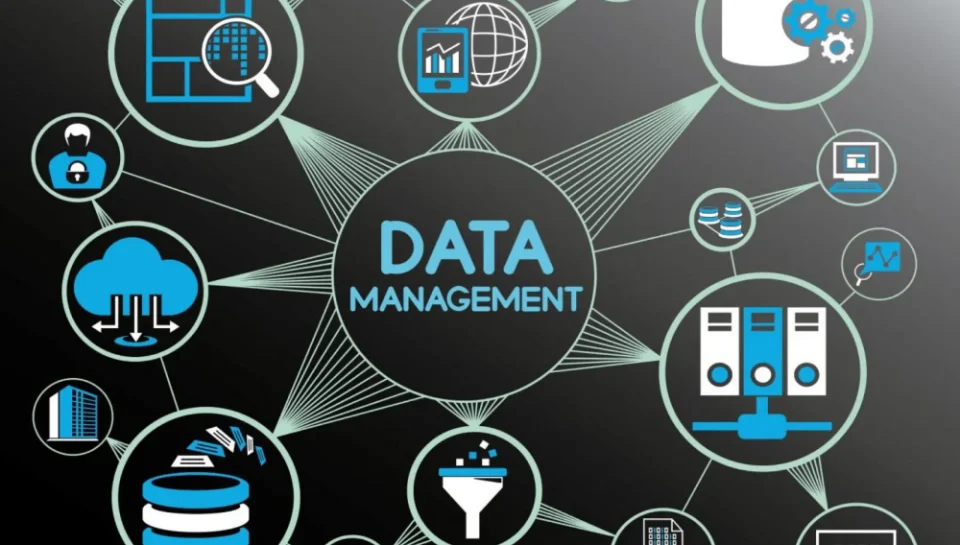
Detail how system integration supports unified data management in startups.
Introduction
In the early stages of a startup’s journey, data is one of its most valuable assets. Information about customers, operations, sales, marketing performance, and product usage informs every strategic and operational decision. However, as startups adopt multiple tools and platforms to manage different functions, data becomes fragmented across systems—creating silos that hinder visibility, consistency, and actionability. System integration addresses this challenge by linking disparate applications, allowing data to flow freely and coherently throughout the organization. In doing so, it establishes a foundation for unified data management, ensuring startups operate with a single, trustworthy version of truth.
Breaking Down Data Silos
Startups often rely on purpose-specific tools for various tasks: a CRM for customer management, a helpdesk for support, a marketing platform for campaigns, and an analytics tool for tracking performance. Without integration, each of these systems stores its own isolated data, leading to redundancy, inconsistencies, and blind spots. System integration connects these platforms, synchronizing information and eliminating barriers between departments. This enables the startup to consolidate its data into a shared ecosystem, where updates in one system are reflected in all others, ensuring uniformity across the board.
Establishing a Single Source of Truth
Unified data management depends on the ability to centralize information from various sources into a coherent, accessible format. Through system integration, startups can create this single source of truth by aggregating and harmonizing data into a centralized repository, such as a data warehouse or business intelligence dashboard. Whether pulling lead data from a marketing tool, combining it with sales activity from a CRM, or matching it with customer feedback from a support platform, integration ensures that data is complete, consistent, and up to date. This consolidation removes the confusion that comes from conflicting records and empowers teams to make decisions based on accurate insights.
Enabling Cross-Functional Collaboration
In startups, where teams are small and roles are often fluid, the ability to collaborate effectively is critical. When systems are integrated and data is unified, every department gains access to the same relevant information. Product teams can see user behavior from support tickets and feature requests, sales can view marketing engagement history, and finance can track real-time revenue metrics without relying on manually compiled reports. This shared visibility strengthens alignment between departments, allowing teams to coordinate strategies, prioritize tasks, and respond more quickly to challenges and opportunities.
Enhancing Data Quality and Governance
System integration also improves data quality by reducing manual entry, which is often the source of errors and duplication. When systems automatically share data, the likelihood of inconsistent records—such as duplicated customer profiles or outdated contact details—is greatly reduced. Integration can include validation rules, deduplication protocols, and real-time error alerts, helping startups maintain clean and reliable datasets. This level of data discipline is especially important as startups grow, scale operations, or enter regulated markets where compliance and auditability become essential.
Streamlining Reporting and Analytics
Startups depend on fast, accurate reporting to track progress and guide growth strategies. Without integration, compiling reports often involves exporting data from multiple systems and manually combining it in spreadsheets—a time-consuming and error-prone process. System integration automates this process by connecting data sources directly to analytics platforms or dashboards, delivering real-time insights with minimal effort. Founders, investors, and team leads can view consolidated performance metrics across channels, identify trends, and make data-informed decisions with confidence.
Improving Customer Intelligence
Unified data management also enhances how startups understand and serve their customers. By integrating systems that handle onboarding, communication, support, and usage tracking, startups can build complete customer profiles that span the entire lifecycle. This holistic view allows for more personalized engagement, proactive service, and better product fit. For instance, integration between support and CRM platforms ensures that when a support request is resolved, the sales or success team is immediately aware and can follow up appropriately—creating a more seamless and satisfying customer experience.
Scaling Data Practices with Growth
As startups scale, the volume and variety of data they handle increases. System integration ensures that data management practices evolve alongside this growth. Instead of becoming overwhelmed by complexity, startups with well-integrated systems can expand their digital ecosystem while maintaining data consistency. Whether adding new tools, entering new markets, or hiring new teams, integrated data workflows support smooth transitions and continued visibility, laying the groundwork for scalable, intelligent operations.
Conclusion
System integration is a cornerstone of unified data management in startups. By connecting siloed systems, synchronizing information, and enabling a single source of truth, it empowers teams to work smarter, collaborate better, and grow faster. With integration in place, startups no longer struggle with fragmented information or inefficient reporting. Instead, they operate with clarity, agility, and confidence—transforming raw data into actionable insight and using it to fuel innovation, precision, and long-term success.
Hashtags
#SystemIntegration #UnifiedDataManagement #Startups #DataStrategy #BusinessGrowth #TechSolutions #DataDriven #StartupSuccess #DigitalTransformation #DataIntegration #Efficiency #Innovation #BusinessIntelligence #CloudSolutions #DataAnalytics #AgileStartups #TechStartups #DataGovernance #OperationalExcellence #Entrepreneurship