

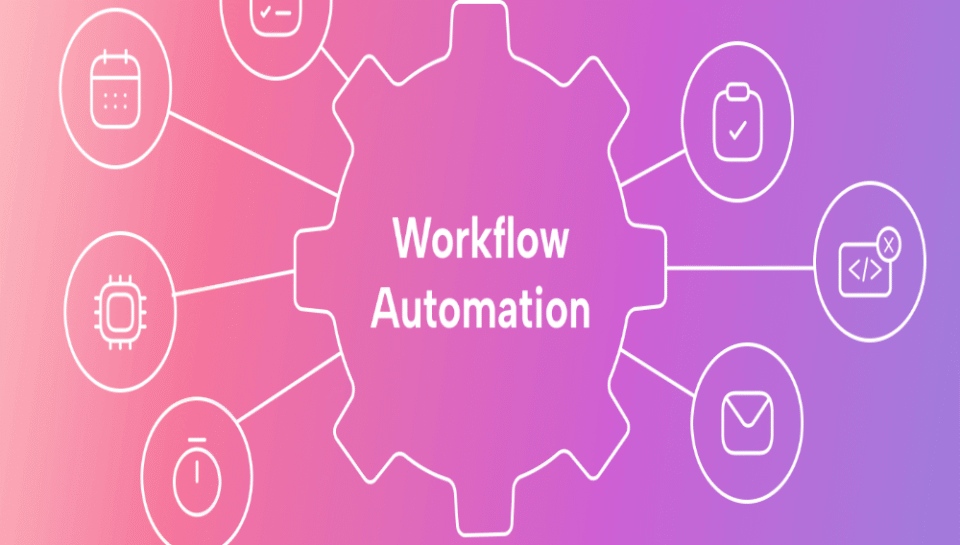
Introduce the role of system integration in building automated workflows.
Introduction
Startups thrive on speed, focus, and efficient execution. With limited resources and high stakes, the ability to automate routine tasks and streamline operations can significantly impact productivity and growth. Yet as digital tools multiply—each handling different aspects of sales, marketing, support, development, or finance—managing these platforms manually becomes time-consuming and error-prone. This is where system integration plays a pivotal role. By connecting independent systems and enabling them to communicate, integration lays the foundation for building automated workflows that reduce manual effort, increase consistency, and empower teams to concentrate on strategic, high-value work.
Connecting Tools Into a Unified Process
System integration allows different applications—such as CRMs, project management tools, customer support platforms, and accounting software—to share data and trigger actions across systems. Instead of treating each tool as a standalone entity, integration transforms them into components of a larger, automated process. For example, when a new lead is captured through a website form, integration can ensure that the lead is instantly added to the CRM, assigned to a salesperson, and followed by a personalized welcome email—all without human intervention. This interconnectedness is what enables workflows to function without delays, redundancies, or manual coordination.
Automating Repetitive Tasks
Startups often struggle with repetitive administrative tasks—entering customer details in multiple systems, generating reports, sending invoices, or updating project statuses. System integration helps automate these actions by allowing one event in a system to trigger a series of responses in others. For instance, when a developer completes a task in a project management tool, an update can be automatically posted in a team communication channel and reflected in a client-facing dashboard. These automated workflows not only save time but also improve accuracy by eliminating the risks associated with human error or oversight.
Improving Response Times and Customer Experience
Automation powered by system integration enhances responsiveness—both internally and externally. When customer inquiries submitted through a chat widget are instantly logged in a support ticketing system, and agents receive real-time notifications via messaging tools, response times improve dramatically. Similarly, when a customer’s support status is updated, integration can trigger follow-up emails or satisfaction surveys automatically. These kinds of workflows ensure that customers receive timely, personalized communication, which builds trust and increases retention—key goals in a startup’s growth phase.
Supporting Real-Time Decision-Making
Automated workflows also ensure that decision-makers receive the information they need exactly when they need it. Integrated systems can automatically pull data from various sources and feed it into analytics dashboards or send performance alerts when specific thresholds are met. This constant stream of real-time updates allows leadership teams to monitor progress, identify risks, and adjust strategy with agility. By automating the flow of insights, startups remove the lag between data collection and decision-making, turning integration into a driver of intelligent action.
Scaling Without Added Complexity
As startups grow, the complexity of operations naturally increases. More customers, more tools, and more data typically mean more effort to maintain consistency. However, system integration allows startups to scale their workflows without dramatically increasing headcount or process overhead. Automated workflows evolve with the business, ensuring that tasks such as onboarding, billing, marketing, or inventory management continue to operate smoothly, even as volume increases. With scalable integration in place, startups can focus on innovation rather than constantly rebuilding internal systems to keep up with growth.
Fostering a Culture of Efficiency and Innovation
When teams are freed from routine, manual tasks, they can redirect their energy toward more creative and strategic initiatives. Integration-driven automation encourages a culture where technology works in the background, empowering teams to operate with focus and clarity. Developers can concentrate on feature development rather than infrastructure, marketers can focus on strategy rather than list segmentation, and support agents can prioritize complex issues over ticket triage. In essence, system integration creates an operational rhythm that promotes innovation and accelerates business evolution.
Conclusion
System integration plays a foundational role in building automated workflows within startups. By connecting digital tools, enabling seamless data exchange, and triggering inter-system actions, it transforms fragmented processes into streamlined, self-operating sequences. These workflows enhance productivity, improve responsiveness, support real-time insights, and scale effortlessly with business growth. For startups seeking to maximize output while minimizing overhead, integration is not just a technical solution—it is a strategic enabler that drives efficiency, agility, and competitive advantage.
Hashtags
#SystemIntegration #AutomatedWorkflows #WorkflowAutomation #TechInnovation #DigitalTransformation #BusinessEfficiency #ProcessAutomation #IntegrationSolutions #SmartWorkflows #AutomationTools #SeamlessIntegration #TechTrends #BusinessAutomation #EfficiencyBoost #WorkflowManagement #AutomationStrategy #IntegrationTechnology #FutureOfWork #StreamlinedProcesses #TechForBusiness